





How to Naturally Improve Algae Control in Ponds

Guest blog by Matthew Phillips—Aquatic Biologist & Environmental Scientist—SOLitude Lake Management

Pond algae and algae blooms are probably the most common recurring problem for ponds and lakes. Sometimes it seems that they appear out of nowhere, especially as the temperatures begin to rise. Eliminating and preventing an algae bloom can seem like an impossible task and can be very frustrating. Sometimes, they seem to keep reappearing no matter what action is taken. Treating and preventing algae blooms can be a daunting experience, however, there are several ways to reduce the frequency and severity of an algae bloom.

Like all plants, algae feed on nutrients, primarily phosphorous and nitrogen. Most ponds, especially stormwater ponds, are nutrient sinks, meaning that nutrients from the surrounding watershed typically collect in them. These nutrients come from a variety of sources such as soil, fertilizer, and animals. Because of this, ponds become eutrophic, or nutrient rich. These nutrient rich bodies of water are susceptible to continual algae blooms because the algae have a never ending supply of food.

One of the best ways to slow down the growth of algae is to attack it at its food source—the nutrients. Nutrient management can be accomplished several different ways. One way is by introducing beneficial bacteria and enzymes to your pond through biological augmentation. The bacteria help speed up the decomposition process and consume some of the nutrients that would otherwise be sequestered by the algae. They also help reduce the sludge and muck, where nutrients are often stored, that accumulates in a pond and will help to clarify the water. Another way is to add pond aeration systems which can be accomplished with a decorative fountain or submersed aeration. Having a well aerated pond will increase the dissolved oxygen, which in turn will help the decomposition process, lessening the nutrient load in the pond. Having proper pond aeration will also reduce the likely hood of fish kills.

One could also plant beneficial vegetation in and around the pond. There are many added benefits in doing this. Plants will act as sponges, absorbing many of the nutrients in the pond for their own growth. They also help stabilize the shoreline which will help prevent erosion. Shoreline vegetation will help shade the shallow areas where many algae problems begin. The plants will provide habitat for numerous critters including dragonfly larvae and adults, which are voracious mosquito eaters. Many of these plants have beautiful, showy flowers and can be easily maintained. Having a well-manicured buffer will also discourage geese from frequenting your pond. So as you can see, including a nice, maintained vegetative buffer provides numerous benefits.

There are products on the market that focus on reducing the nutrient load in the pond. Some of these nutrient management products will bind to the various free-floating particles in the pond, many of which are loaded with nutrients. This also helps to clarify turbid waters. There is even specific phosphorus binding mineral available, called Phoslock, which is comprised of a unique lanthanum modified clay for phosphorus binding. Phosphorus is the nutrient used most by algae. This mineral specifically binds to only phosphorus and permanently “locks” it up, preventing it from being used by algae. It will also bind to the phosphorus that is found in the sediment. With this mineral it is possible to “reset” the body of water to its original state with very low amounts of nutrients.

Stocking the pond with fish, such as tilapia, will also help to reduce the amount of algae in the pond. Tilapia will consume algae; however, even a pond full of tilapia will not consume all of the algae in the pond. Keep in mind that tilapia are warm water fish and will die off during the winter when the water temperatures drop, so restocking would be necessary. Tilapia are not legal to stock in some states so be sure to consult with a Fisheries Biologist to find out what the regulations are for your area.

Of course there are a whole slew of algaecides on the market. These algae elimination products do work wonders and will curb your current algae problems. However, directly treating algae is just treating a symptom of the problem and not the problem itself. The majority of the time, it is necessary to use an algaecide to temporarily kill an unsightly algae bloom but this method will not permanently dispose of algae. Unfortunately there isn’t a “magic pill” that will 100 percent eradicate algae forever. As algae die and decompose, it will release the nutrients that it has been using back into the waterbody. These nutrients will eventually fuel yet another algae bloom and the process will start all over again. Using algaecides is necessary to treat the flair-ups but attacking the algae at its source is the only way to reduce the frequency of flair-ups.

Every waterbody is different. Algae control methods that work in some ponds will not work in every pond. Most of the time, employing several of the mentioned tactics is necessary to gain control of pond algae problems. One also has to be patient, as it might take some time to gain full control of the algae problem. Ponds do not have to be problematic! With the right techniques, algae problems will become an afterthought.

For more information on sustainable algae control please watch this video or download this free report.

Matthew Phillips is an Aquatic Biologist and Environmental Scientist with SOLitude Lake Management. Since 1998, SOLitude Lake Management has been committed to providing full service lake and pond management services that improve water quality, preserve natural resources, and reduce our environmental footprint. Our services include lake, pond and fisheries management programs, algae and aquatic weed control, installation of fountains and aeration systems, water quality testing and restoration, bathymetry, lake vegetation studies, habitat assessments and nuisance wildlife management. Learn more about SOLitude Lake Management and purchase products at www.solitudelakemanagement.com.

Surveying for the Federally Endangered American Burying Beetle

The American Burying Beetle (Nicrophorus americanus) is a federally endangered species—characterized by its large size and distinctive black and orange coloring. This nocturnal beetle utilizes carrion for its life cycle, and therefore competes with vertebrates many times its size. Within the Mid-Continent region of the United States, the American Burying Beetle (ABB) is most commonly found in open fields, prairie-like grasslands, oak-pine and oak-hickory ecosystems, and along edge habitat. When an endangered species or its habitat may be impacted by a project, the US Fish and Wildlife Service (USFWS) often requires consultation under the Endangered Species Act (ESA). For projects where the ABB is concerned, presence/absence surveys are the first step of the consultation process. Apex has USFWS permitted surveyors on staff, who can perform surveys throughout the Mid-Continent region including; South Dakota, Nebraska, Kansas, Oklahoma, Texas, and Arkansas.

Apex conducts surveys using two-person teams during the ABB active season, which is from mid-May to mid-September. Two-person teams are utilized as they promote efficiency, safety, and scientific integrity. Live-traps, with an effective radius of 0.5 miles each, are monitored for three nights in good weather conditions, and must be checked by 10:00am in the morning to prevent injury to any beetles caught.

Certified ABB surveyors are a rarity, with less than 30 permit-holding individuals in the nation. Certified surveying personnel must operate under a Section 10(a)1(A) recovery permit, have extensive experience and familiarity with ABB protocols and conservation measures, and have a documented ability to identify ABB in the field.

Apex currently has one certified ABB surveyor on staff, with multiple personnel poised to become certified for the 2014 active season. The growth in Apex’s ABB program has been aided by the experience gained through extensive surveys conducted for major oil and gas clients. With such a large number of certified individuals ready and able to lead teams, Apex is capable of tackling large, interstate projects. This also provides our clients with a great amount of flexibility, as well as extensive, rapid, and accurate survey results.

Apex’s ABB and other threatened and endangered species (T&E) expertise can also be used in the early phases of project design, siting, and routing. Many T&E, wetland, and other biological issues can be identified from a desktop during the initial phases of projects—using Apex’s extensive experience. This expertise may be used to route projects around problem areas, minimizing the amount of survey and permit approval time necessary to get projects approved. Ultimately, early project input can result in cost savings and environmental permitting efficiency.

If you are in need of certified ABB surveyors, have questions on the ABB and the surveying process, or would like guidance on whether surveying is a step your project requires, feel free to contact us.

When Voluntary Cleanup Isn’t Voluntary

According to the U.S. Environmental Protection Agency (EPA), a “brownfield site” is a real property, the expansion, redevelopment, or reuse of which may be complicated by the presence or potential presence of a hazardous substance, pollutant, or contaminant. After EPA established its Brownfields Program in the mid-1990s to promote the redevelopment of sites that were orphaned or abandoned due to actual or perceived environmental contamination, many states adopted voluntary cleanup programs (VCP) to oversee the assessment and remediation of brownfields and to encourage redevelopment of these sites by developers that had no involvement in the former site operations that may have resulted in contamination. A chief incentive for enrolling a site into a voluntary program is the issuance of a certificate of completion, something akin to a closure letter indicating no further action is required by the state, and something most lenders require before agreeing to loan money for redevelopment of contaminated sites.

Despite the innocuous sounding name, voluntary cleanup programs are not always voluntary. Not only do lenders often require developers to enter these programs (in many cases, the voluntary cleanup program is the only regulatory program whereby a state will issue a “sign-off” on a property), but once entered, many states impose requirements very similar to other typical enforcement programs. I often describe some state programs as “voluntary enforcement programs” whereby owners volunteer to be subject to regulatory enforcement. That doesn’t sound as friendly as a voluntary cleanup program, but it more closely represents the reality in some states.

Most VCPs require an upfront enrollment fee to cover the administrative costs associated with document review, risk evaluations, etc. Though these fees—which commonly range from $2,000 to $10,000—are not insignificant, they often pale in comparison to the site assessment costs required to fully characterize environmental conditions on a property and the potential risks to all future receptor populations. For example, site characterization activities at a typical strip shopping center that has had an onsite dry cleaner operating for a few decades can exceed $100,000 and can take up to 12 or more months depending on the extent of contamination. If that characterization work indicates that there are risks to future receptors (beware of vapor intrusion or if groundwater is used as a drinking water source), then remediation costs can greatly exceed the characterization costs and take years to implement.

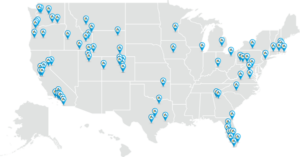
Because owners and developers depend on lenders to finance their projects, and because lenders rely on “closure” letters from state agencies to offset their perceived risks, many developers become enslaved to the VCP process and spend much more time and money satisfying regulators than they expected. Understanding the state-specific VCP requirements before embarking on a brownfield redevelopment project is critical to accurately planning and budgeting the project, and an important part of that process is teaming with an environmental consultant with a proven track record of managing sites through the VCP process. With over 35 offices throughout the US and a resume of numerous active and closed VCP projects, Apex is ideally suited to help its clients successfully navigate the challenges of “voluntary” cleanups and risk-based closures.

USTs: Basic Steps for Meeting and/or Exceeding Regulations

Underground storage tanks (USTs) are used at numerous commercial and residential properties to store fuels and oils for refueling and maintaining vehicles and equipment, providing emergency back-up power, and for on-site heating systems. USTs may be used to store hazardous chemicals or other products, but petroleum storage tanks are by far the most common and are the focus of this article. Due to the nature of the stored substances, the volumes of liquid typically requiring storage, as well as the limited available space on most properties, it often becomes necessary to install storage tanks below grade. A UST is defined by Federal regulations as a tank that stores a regulated substance which has 10% or more of the system’s volume—including the tank and associated piping—below the ground surface. Typical USTs vary in size from 550 gallons up to 50,000 gallons in capacity and can be found almost anywhere and everywhere including gas stations, automobile dealerships, commercial office buildings, industrial plants, colleges/universities, hospitals, and residences, just to name a few examples. Standard USTs are horizontal cylinders constructed of fiberglass, steel, and/or a composite material (e.g. fiberglass reinforced plastic (FRP), carbon fiber wrapped around a steel liner). USTs are often considered a necessary evil based on the environmental liabilities associated with their presence on a property.

The EPA initiated UST regulation back in the 1980’s (40 CFR Parts 280, 281 & 282), because many USTs had leaked into surrounding soils causing environmental pollution, health and safety issues, and impacts to groundwater (the source of domestic water for over 40% of the US population). In addition to Federal regulation, many states have instituted their own UST regulation programs that are more stringent than EPA requirements. For example, EPA regulations do not apply to non-commercial farm or residential tanks smaller than 1,100 gallons or those used for storage of heating oil for onsite consumption; however, many state programs include requirements for those tanks. Based on applicable regulations and upgrade requirements for older tanks, more than 1.7 million USTs have been removed since 1984. The EPA currently estimates there are approximately 581,000 active regulated USTs in the United States. Far more exist as abandoned or non-registered USTs which are often uncovered during property redevelopment projects. Many of these unknown USTs lead to costly remedial activities due to major deterioration and lack of maintenance over time.

Compliance and maintenance of USTs are critical in order for property owners and tank owners/operators to avoid costly fines and potential expensive cleanup costs and to protect from other environmental liability. The following are some basic steps to meeting and/or exceeding regulations:

Is the UST registration accurate and complete?

Federal and state regulations require that regulated USTs be registered with the appropriate state agency. Apex recommends a routine compliance audit of UST systems, part of which should include confirmation of accurate, complete registration paperwork. This is especially important in jurisdictions where there are different requirements for different types of tanks.

Is the UST system properly equipped with spill protection?

As of 1998—all USTs are required to comply with federal regulations and contain spill protection, which consists of a catchment basin (spill bucket) on the fill port. Spill buckets vary in size based on individual state requirements and are designed to capture the remaining fuel within the delivery hose after the hose is disconnected, preventing a surface release. Apex recommends that spill buckets be inspected for cracks and tears and be hydrostatically tested periodically to confirm the integrity of the container, ensuring it can hold liquid at a constant level.

Is the UST system properly equipped with overfill protection?

As of 1998—all USTs are required to comply with federal regulations and contain overfill protection, which consists of an overfill protection device (e.g. drop tube, overfill alarm, ball float valve). These devices are designed to prevent overfilling a tank during deliveries and help indicate to the fuel deliverer/operator when the UST reaches a certain level of capacity (typically set at 90% or 95%). Apex recommends that a trained technician inspect overfill devices periodically for proper functionality (e.g. flapper valve associated with drop tube is working, overfill alarm is set to proper level with working audible and visual alarms, and/or ball float is present.

Is the UST system equipped with a proper functioning tank monitoring system?

A tank monitoring system is the “heartbeat” of a tank system and is often an integral component for complying with the release detection required for all regulated USTs. These systems use probes and sensors installed within various components of the UST system to detect a leak from any portion of the tank or associated piping, record a continuous status of liquid levels (detect a loss/gain) within the tank, monitor the secondary containment areas for liquids (leaking fuel or water intrusion), keep monthly reconciliation records, and some also monitor for fuel vapors. Like other technology, tank monitoring systems continue to become more sophisticated. Newer models are more user-friendly and are often designed to monitor UST systems remotely. Apex recommends that tank monitoring systems be calibrated (required by state and federal regulations) on an annual basis to correct for variations that occur over time. At the time of the calibration, the technician will inspect the associated probes and sensors to confirm functionality and confirm that no active alarms are present on the console.

Is the UST system and associated piping equipped with corrosion protection?

All UST systems must be protected from corrosion due to contact with soil and water. Use of non-conductive materials, such as fiberglass, is an effective strategy, but any UST and/or piping component made of steel or copper must have a mechanism of preventing corrosion or pitting. Corrosion and pitting can eventually lead to a leak within the system. Steel USTs and piping are typically installed with sacrificial anodes or an impressed current system, which helps protect against the corrosion from small electrical currents induced between the metal tank system and the surrounding soils. Certain soil types, such as clays, tend to be more corrosive due to their increased conductivity. Apex recommends that cathodic protection systems be tested every 3 years or as required by local regulations with records kept on-site for proper documentation.

Is proper liability coverage in place?

Financial responsibility is a requirement of federal UST regulations, which require that an owner or operator demonstrate the financial capacity to cover costs associated with a cleanup and to compensate third parties in the event of a release from the UST system. Most general liability insurance policies do not cover a release from an UST, and therefore, supplemental UST insurance policies are often purchased to cover UST releases and demonstrate compliance with financial responsibility requirements. Apex recommends reviewing and confirming that adequate liability coverage exists as part of a routine compliance audit.

Are the necessary testing and inspections being performed?

Based on the state and type of tank, USTs are required to undergo several types of inspections and/or periodic tests. Examples include: hydrostatic testing of spill buckets and containment sumps to confirm no leaks occur and the units are tight, precision testing to confirm the UST and associated piping are integrally tight, periodic 3rd party inspections of the entire fueling system (e.g. required every 3 yrs. in Maryland), and line and leak detectors tested for leaks and functionality. Apex recommends a review of the applicable state and federal inspection and testing requirements for each type of UST on a property.

Is general housekeeping performed at the UST site?

Maintaining a clean and properly functioning UST system is very important for regulatory compliance. Some general elements of a well-maintained system include: keeping the kiosk associated with the system clean, storing pertinent Safety Data Sheets and prior testing records on site, maintaining the spill buckets and containment sumps free of water and debris, maintaining the manholes and covers intact and properly painted in accordance with the correct A.P.I. color code, maintaining a tank gauge stick along with a tank chart, proper maintenance and storage of hoses associated with dispensers, maintaining fire extinguishers on-site, and maintaining a standardized check list as a helpful way to perform monthly evaluations of the fueling facility.

These are just a few of the key considerations associated with owning and operating UST systems. As noted, each state has different regulations and requirements, including requirements for UST workers to be certified to perform work on a system. Apex’s staff are certified in many states to install, remove, and service UST systems. For more information or specific questions about a UST system, please contact us.

Excavating Around Utility Lines

On a recent project involving excavating a trench, Apex personnel suspected that the utility mark-out done by the state had mismarked a few lines. Acting on their hunch, Apex’s crew hand dug around where the mark out was, as well as where they thought the line should be. The utility line was in the spot that was unmarked and a utility interruption was successfully avoided.

When preparing for underground work, many of the critical steps in preventing a utility mark-out are conducted prior to starting digging. Make sure everyone involved (PM, APM, Crew leader and field staff and site contacts) are aware of the work scope and location—many times lack of communication has led to utility interruptions. Mark-out the proposed location accurately in the field so the utility mark-out company knows exactly where the digging is to be done (white box with dashed lines—don’t use arrows to point to area). Establish the scope of work and make sure that if there is a deviation in plans it is coordinated with the PM.

When excavating around utility lines do not assume the mark-outs are correct. Requesting that a second mark-out is done and that hand or soft digging is performed will help to ensure worker safety and avoid costly utility interruptions. Dig safe markings should be used as a guide but don’t forget to use common sense.

After arriving onsite, go through a checklist of known or utilities that are assumed to be present. Try to follow these utilities from the street or source through the area to be excavated. When digging use clues to predict the presence of utilities—marking identifiers (caution tape, foil tape), gravel, soil not similar to native material, etc. Also use typical utility depths as a guide—electrical is usually 12-24″ below grade, water usually >4′ below grade, etc. Use common sense and the previously mentioned clues to reduce your risk of a utility interruption. Always dig with a spotter—an extra set of eyes to watch the digging.

If unsure—stop work—call the job Project Manager.

Confined Space Vault—“Breaking the Plane”

While providing remediation project oversight for an excavation and stream-channel restoration project at a former manufactured gas plant (MGP) site, Apex had to deal with a utility vault approximately 4 feet deep and accessed by removing a cover for an approximately 3 foot by 3 foot opening.

Questions were raised as to various scenarios of entering the vault, versus remaining outside the vault entirely and as to what activities would consist of “breaking the plane” for the purpose of working on utilities within and/or collecting air sample measurements within the vault.

Our Corporate Health and Safety Manager clarified that ANY body part entering such a space is considered “breaking the plane.” However, rather than treating the activity as a full-fledged permit-required confined space, it was determined that a most appropriate and cost‑effective approach for activities within this shallow vault would be to provide air ventilation, continuous air monitoring and a means of egress (ladder), such that the space might be reclassified as non-permit required and documented appropriately.

Make sure to encourage your staff to initiate a dialogue from the field for appropriate evaluation of potential confined space areas at your sites. Resolution can be achieved quickly with good identification and communication.

Establishing a Reputation with Regulatory Communities is Integral

As a contractor, establishing a solid reputation with regulatory communities is very important to ensure a long and profitable relationship. Apex was enlisted as the contractor of record for two former underground storage tank release sites under the jurisdiction of the Oklahoma Corporation Commission (OCC). Each site had been in various stages of investigation or remediation for a period of approximately 15 years. Previous contractors had been unable to remediate the sites to applicable OCC standards.

One of the sites had been had purchased by a developer who wished to redevelop the property within a years’ time. Apex completed delineation, pilot testing and complete remediation to meet OCC standards within the time frame required by the developer. The system consisted of groundwater extraction, surfactant mixing, reinjection and final total liquids recovery. The system operated from November 2010 into February, 2011 through one of the coldest winters on record for the area. Confirmation samples collected at the end of the remediation confirmed that applicable standards had been met. Regulatory Closure was granted by the OCC following the remediation.

The second site was located in a rural area west of Tulsa. Remediation efforts had been hampered by site geology which consisted of fractured sandstone. Remediation goals were fairly stringent due to the presence of an onsite water well. Initial remediation was conducted using a high vacuum system extracting free product and surfactant which had been injected by a former contractor. Recovered groundwater was treated to meet reinjection criteria and re-injected outside of the contaminant plume to develop a circulation cell. Following this phase, chemical oxidation was used to complete degradation of dissolved phase hydrocarbons. OCC closure standards were maintained for the prescribed monitoring period and regulatory closure was granted.

By bringing each of these sites to regulatory closure, as well as others since, Apex has established a reputation with the regulatory community as a company which accomplishes the tasks we propose, on time and within budget.

Numerous ASTM Standards Complement the Phase I ESA Standard

In a recent blog post my colleague Michael Wolf penned an article about the upcoming changes to the ASTM E1527 Standard, Phase I Environmental Site Assessment Process. With that being reported, we wanted to take the opportunity to expand on the presence of the ASTM standards and discuss some of the complimentary standards that exist within the ASTM library. As a voting member on the D18 Soil and Rock Committee and the E50 Environmental Assessment, Risk Management and Corrective Action Committee, I have the fortunate and unique perspective of how the ASTM standards are formulated. Each standard is meticulously prepared by committee under the direction of a committee chairperson and then peer reviewed by voting members of that committee. As such, the standards are developed with a vast amount of experience and expertise in the chosen area. With that kind of expertise behind each standard, the standards can be used as an industry guideline for projects that may not be under any type of regulatory scrutiny.

There are numerous standards that are complimentary to the E1527 Standard. Of course the E1528 is the first to come to mind, which is the standard for Transaction Screens. These screens are meant to be used when a Phase I ESA may not be necessary due to a particular user’s risk tolerance needs, or the size and historic use of a subject property. Not very well known, but still quite apropos for land acquisition, is a sister document to the E1527 Standard, E2247 Phase I Environmental Site Assessment Process for Forest Land and Rural Property. This standard is applicable for properties that are 120 acres or greater of forestland or rural property, or with a developed use of only managed forestland and/or agriculture with respect to the range of contaminants within the scope of the Comprehensive Environmental Response, Compensation, and Liability Act (CERCLA) and petroleum products. Many users will desire a property physical evaluation along with a Phase I ESA. ASTM has developed standard E2018 Standard Guide for Property Condition Assessments to prescribe this type of evaluation. A Task Group has started the process of updating or possibly keeping “as is” the PCA Standard Guide.

The new E1527 standard, due for release later this year, will include language to clarify the evaluation of vapor encroachment conditions as part of an ESA. The USEPA and many states are developing, or have already developed, regulatory standards for vapor intrusion and vapor encroachment issues. ASTM has likewise developed a standard, E2600 Standard Guide for Vapor Encroachment Screening on Property Involved in Real Estate Transactions. As a follow-up to a Phase I ESA, E1903 was developed to standardize the Phase II Environmental Site Assessment. As a further follow up to the Phase I ESA standard, ASTM has developed a standard for future owner obligations in order to maintain the CERCLA liability protection given by the All Appropriate Inquiry legislation. This standard is E2790 Standard Guide for Continuing Obligations. Another area that is growing in concern, particularly in the southeast U.S., is the presence of mold within building envelopes. ASTM has standardized the inspection process through E2418 Standard Guide for Readily Observable Mold and Conditions Conducive to Mold in Commercial Buildings.

Beyond the complimentary standards to the E1527 Phase I ESA, there are many ASTM standards for detailed tasks within one or another standard. Some of this myriad of task-specific standards include D5092 Groundwater Monitoring Well Construction, D5521 Development of Groundwater Monitoring Wells, D7758 Passive Soil Gas Sampling, D7648 Active Soil Gas Survey, D1586 Standard Penetration Test (SPT), and D2488 Identification of Soils, to name a few.

Although many people are aware of the ASTM standard for Phase I Environmental Site Assessments, not all are aware of the many other standards that the ASTM organization and industry professionals have developed to compliment the Phase I standard. These complimentary standards have paved the way to some form of industry standardization, to fill the void left by the absence of or vagueness of federal, state and local regulations. It is imperative for the environmental consultant to know and understand these standards in order to better serve the client.

The Environmental Review Process for New Pipeline Construction

Energy independence for the United States has many in the country very excited. However the need to construct thousands of miles of pipelines to bring shale gas to market has left others concerned for the safety of our environment. What impact could this have on our beautiful landscape and resources?

The construction and operation of petroleum pipelines are heavily regulated to help ensure safety and to minimize the impact to the local environment. Two federal organizations, Federal Energy Regulatory Commission (FERC) and the Pipeline and Hazardous Materials Safety Administration (PHMSA), a division of DOT, are responsible for the oversight of the environment and public safety as related to the transmission of, among other things, natural gas and petroleum liquids. These organizations set and enforce standards to help ensure that existing and new pipelines will function according to plan with as little impact to the local environment as possible. Depending upon the location of the proposed route, additional governmental agencies such as the U.S. EPA, the U.S. Army Corps of Engineers, the U.S. Department of Fish and Wildlife Service, the Bureau of Land Management, the Bureau of Indian Affairs, the Native American Tribal governments, and the respective State and Local governments may all be involved in the approval of a pipeline project.

In order to construct and maintain new and existing pipelines, oil and gas companies must complete a thorough evaluation of the proposed pipeline route and associated land/water bodies to be disturbed for a project. In addition, these companies may need to apply for an assortment of permits from the agencies listed above. These evaluations and permits may include any of the following depending upon the location of the project:

  • Clean Water Act and the National Pollutant Discharge Elimination System
  • Clean Air Act
  • National Historic Preservation Act of 1966
  • Archeological and Historic Preservation Act of 1974
  • Coastal Zone Management Act of 1972
  • Endangered Species Act of 1973
  • Executive Order 11988 (May 24, 1977) requiring federal agencies to evaluate the potential effects of any actions it may take on a floodplain
  • Executive Order 11990 (May 24, 1977) requiring an evaluation of the potential effects of construction on wetlands
  • Wild and Scenic Rivers Act
  • National Wilderness Act
  • National Parks and Recreation Act of 1978
  • Magnuson-Stevens Fishery Conservation and Management Act
  • Erosion and Sediment Control Plan/Permit
  • Site Access Road Permitting
  • Stream Crossing Permitting
  • Road Boring Permits
  • Municipal Zoning Ordinances/Approvals (noise, building setbacks etc.)

While some companies perform these studies and obtain permitting with their own internal staff experts, others contract firms like Apex Companies to perform these services on their behalf. In either case, a comprehensive process must be conducted prior to any land disturbance in the field—reviewing the potential impact that the disturbance may have on a vast number of environmental facets that surround the project. Issues identified in any of the surveys must be modified or mitigated prior to receiving approval from the agencies that are responsible for the protection of those natural resources. Completion of this review and approval process can range from weeks to years.

So the next time you read about a new proposed pipeline, rest assured that there are many agencies and organizations reviewing every aspect of the project to protect our natural resources.

For additional information on the FERC and PHMSA: https://www.ferc.gov/, http://www.phmsa.dot.gov/

Contact your local gas company for additional information on “right of way” pipeline safety.

Thoughts on Upcoming Revisions to ASTM 1527

The environmental consulting community has recently been engaged in extensive discussions regarding the upcoming revisions to ASTM 1527, the industry-standard practice for Phase I Environmental Site Assessments. Blogs, newsletters, e-mail alerts, webinars and discussion boards have been filled with various opinions and viewpoints on the proposed changes, which are currently under review by the EPA to ensure consistency with AAI. There has been a lot of unnecessary anguish, some misinterpretation, much confusion and certainly occasional praise for the proposed changes. Rather than go into detail regarding each of the proposed revisions, as they have been widely discussed elsewhere, the following are my viewpoints and professional opinions on a few of the issues of concern that have been raised on those forums:

Concern: The revisions are unnecessary and are intended to increase business for ESA Producers (i.e., the environmental consulting community).

ASTM requires that all standards be periodically revisited; if there is no action to reapprove or revise, a standard will “sunset” after 8 years. If not reapproved or revised, E 1527-05 would become obsolete in November 2013. In January 2010 the E 1527 Task Group, which is comprised of a group of more than 140 Producers and Users/General Interested parties (comprising approximately 2/3 and 1/3 of the group, respectively) to consider four options for revising the standard: 1) Do nothing—let the standard sunset; 2) Re-ballot the standard “as is” with no changes; 3) Make changes to the standard that do not conflict with the AAI rule; 4) Make changes to the standard that conflict with, or require changes to the AAI rule. In the latter case EPA would have to consider the changes and a formal rulemaking process would be required, including proposed and final rules with appropriate public comment periods. The Task Group decided on Option 3 and proceeded to engage in a collaborative process of revisions with multiple focus groups. The proposed changes have been balloted by the 1000+ Committee E50 members and all negative ballots have been addressed in accordance with ASTM requirements.

Concern: The proposed new definitions of REC, HREC and CREC are confusing and unnecessary, and will only complicate the results of ESAs.

One of the common complaints about the current definition of REC (which has been present since the original E1527 in 1993) and HREC definition (added in 2000) was that they were being inconsistently applied by EPs and did not adequately address the situation of a REC which had been “resolved” in some fashion to the satisfaction of regulators. LUST sites which had undergone extensive remediation and were considered closed by regulators were being called RECs by some, HRECs by others and de minimis conditions by still others. The intent was to simplify the REC definition, clarify the HREC definition and introduce a new term, the Controlled REC (CREC) to address RECs that that have been addressed to the satisfaction of the applicable regulatory authority. A CREC could be a site with a no further action letter or equivalent, or meeting risk-based criteria established by regulatory authority, with hazardous substances or petroleum products allowed to remain in place subject to the implementation of required controls. In addition, “de minimis,” which was not a standalone defined term but part of the REC term, was broken out, and the terms “release” and “migrate/migration” were added, since these words are part of the REC/HREC/CREC definitions. Each of these changes was intended to help EPs consistently apply each term and to make each term exclusive of the others. It is hoped that by using a logical, decision-based process, EPs will be more uniform in their determinations. Of course this will still require EPs to exercise professional judgment, which comes with appropriate training and experience.

Concern: The proposed standard requires implementation of a vapor intrusion evaluation, which in turn means the E2600 Guide for Vapor Encroachment Screening must be implemented as part of an ESA.

E1527 was never intended to exclude the evaluation of vapors in the subsurface during the ESA process. Unfortunately the IAQ “exclusion” as a “non-scope consideration” was misinterpreted by many as an exclusion on any IAQ issue. In fact, the IAQ “exclusion” was always limited to “indoor air pollution” from industrial operations, cleaning and maintenance chemicals, off-gassing from furniture, insulation, or wood products, etc. The migration of hazardous substances in any form, including vapors from soil or groundwater, has always been considered a “release” covered by CERCLA and to be included in the ASTM REC definition. While concerns associated with VI (e.g., potential closed case reopeners) are growing, it is not a “new” evaluation requirement. The proposed revised standard clarifies this issue and specifically states that “nothing in this practice should be construed to require application of the E2600 standard guide to achieve compliance with all appropriate inquiries.” The IAQ non-scope listing is clarified to indicate the “exclusion” is for IAQ unrelated to releases of hazardous substances or petroleum products into the environment. The proposed new appendix dealing with “Non-scope” or “Business Risk” issues also discusses this to assist EPs and Users. While this issue will certainly require good professional judgment and more research and evaluation than many EPs have been doing, the revisions do not require implementation of additional scopes of work.

Concern: The new standard requires that regulatory agency files be reviewed, thereby increasing costs to Users and/or making Producers “eat” costs in the competitive ESA marketplace.

There has always been a dilemma in conducting agency file reviews during ESAs: some Producers, working in states where files are readily available at no cost, routinely include file reviews in the base ESA fee; others, in states where files are only available by conducting personal reviews of paper files in an agency headquarters office, often with 3-4 weeks’ notice required and no guarantee that the files will be of any benefit, routinely exclude file reviews even in instances where they may provide vital information. The proposed language does specifically state that if the property or any of the adjoining properties is identified on one or more of the standard environmental record sources (i.e. regulatory databases), pertinent regulatory agency files and/or records associated with the listing should be reviewed. The purpose of the regulatory agency file review is to obtain sufficient information to assist the EP in determining if REC/HREC/CREC or a de minimis condition exists. However the proposed language states that if, in the EP’s opinion, such a review is not warranted, the EP must explain within the report the justification for not conducting the regulatory file review. For example if adjacent properties are identified on the RCRA database as SQGs but no indications of releases are indicated on other databases or site observations, the EP may explain (in the report) that a RCRA listing is not of itself an indication of a release and based on the apparent types of activities conducted by that generator, a file review is not warranted. However, if the subject property or an adjacent property is listed on a LUST database, and insufficient information is available for the EP to support a REC/HREC/CREC determination, a file review should be conducted. The proposed language also provides options for reviewing records at the subject property, interviews, etc., to address this issue, so if the subject property maintains copies of the pertinent LUST investigation and remediation reports and NFA letter, the EP does not need to conduct a file review at the regulatory agency. The language is sufficiently flexible that neither Users nor Producers should have major heartburn. The ESA proposal and contract documents should clearly state the file review assumptions so that there are no misunderstandings between the Producer and User.

There are other proposed changes to E1527, but they are relatively minor and, thus far, not as controversial. I personally believe the proposed changes are good and will benefit both Users and Producers. For those of you looking forward to the end of the E1527 discussions, keep in mind that the PCA Standard Guide E2018-08 will sunset in 2016 if not renewed! That process is just beginning.

Capabilities Inquiry