




Eastport Plaza Dry Cleaner Vapor Investigation and Remediation

Environmental Project

Eastport Plaza Dry Cleaner Vapor Investigation and Remediation

Confidential Real Estate Investment Trust (REIT) Eastport, NY

Solution Overview

Client:

Confidential REIT

Business Challenge:

  • The client requested an investigation to identify and mitigate environmental concerns associated with a former dry cleaner’s operation.

Solution:

  • Apex installed sub-slab depressurization systems (SSDs) and conducted operations and maintenance and soil vapor (SV) sampling to confirm the systems’ effectiveness.

Results:

  • The client’s SV concerns were successfully mitigated and the SSDs will continue to run as a low-cost, minimally invasive solution.

Challenge

The client purchased a retail strip center in Eastport, New York (identified as Eastport Plaza), with the intention of leasing the multiple tenant spaces. The client hired Apex to conduct due diligence Environmental Site Assessment (ESA) activities at the site to ensure that the property was compliant with the New York State Department of Environmental Conservation (NYSDEC) and that conditions were protective of human health.

Solution

Apex conducted a Phase I ESA at the site in December 2021. Multiple recognized environmental concerns (RECs) were identified, including a former dry-cleaning facility. Phase II soil, groundwater, and SV sampling activities were completed in February 2022 to evaluate potential impacts. Following an initial round of soil, groundwater and SV sampling, as well as additional rounds of SV sampling, it was determined that chlorinated volatile organic compounds (cVOCs) were present in the SV at the site beneath the concrete slab of the vacant dry cleaner tenant space and one adjacent tenant space.

Apex recommended installing two SSDs at the site, one in each of the two tenant spaces identified to have vapor concerns, to safeguard protection of health and the environment. Communication testing was performed in the vacant spaces to determine the potential effectiveness and required number of suction points for the SSD systems. The systems were installed, and multiple rounds of operations and maintenance (O&M) activities were conducted to confirm the system was running efficiently; additionally, multiple rounds of SV sampling were conducted to determine if the SSD systems had mitigated vapor concerns beneath the concrete slab of the tenant spaces.

Results

Following multiple rounds of O&M activities and SV sampling, it was determined that the SSD systems had efficiently mitigated the vapor concerns beneath the slab of the tenant spaces. The SSD systems are seen as a low-cost, minimally invasive long-term solution to remove and mitigate vapor concerns and are expected to continue to run for an extended period of time.

How Can We Help You Succeed?

Subsurface Investigations and Construction Oversight Activities

Environmental Project

Subsurface Investigations and Construction Oversight Activities

Confidential Higher Education Client Ann Arbor, Detroit, and Flint, Michigan

Solution Overview

Apex employees operating heavy machinery during subsurface investigations at an active construction site on campus in Detroit, Michigan.

Client:

Confidential higher education client

Business Challenge:

  • Comprehensive environmental consulting expertise needed to support an array of site investigations and construction at separate campuses.

Solution:

Conducted the following services:

  • Site investigations of soil, groundwater, and soil vapor
  • Ambient air sampling
  • Risk assessments
  • Construction management
  • Stormwater management involving ensuring conformance with National Pollutant Discharge Elimination System (NPDES) requirements
  • Support tasks for site closures

Results:

  • Through Apex’s long-standing work relationship with our client, our staff have gleaned an invaluable understanding of their protocols and procedures, as well as acute awareness of their on-campus environments.

Challenge

The client needed a consultant with comprehensive environmental consulting expertise for supporting various project needs on their campuses in Ann Arbor, Dearborn, and Flint, Michigan.

Solution

Since 2016, Apex has successfully supported our client’s health, safety, and environmental (HSE) needs at its three campuses throughout Michigan. In that time, Apex has conducted myriad services on more than 95 projects, including the following:

  • Phase I and Phase II Environmental Site Assessments (ESAs) of an approximately 6.28-acre parcel, historically occupied by Fingerle Lumber Company, located in Ann Arbor. These ESAs were requested in association with a potential acquisition of the subject property;
  • Underground storage tank removals at numerous facilities including Henry Ford Estate in Dearborn, Arbor Heights, Henderson House, and Fingerle Lumber Company in Ann Arbor;
  • Hazardous materials inspection at the BoroPharm facility located at the North Campus Research Complex (NCRC) in Ann Arbor;
  • Phase I ESA, subsurface investigation, asbestos survey, indoor environmental quality assessment, sub-slab soil gas survey, and Bureau of Economic Analysis (BEA) of a large commercial property located in Flint. These assessments were requested in association with a potential acquisition of the subject property;
  • Subsurface investigations of multiple client properties in preparation for demolition, renovation, and/or construction projects;
  • Soil excavation oversight and sampling services during construction activities for numerous projects, including the Clinical Inpatient Tower Project, Ruthven Museum Renovation and Expansion Project, Central Power Plant Project in Ann Arbor, and the Engineering Lab Building Replacement Project in Dearborn;
  • Water and sediment sampling from Third Sister Lake and groundwater and potable water sampling from onsite wells at the client’s Saginaw Forest property located in Ann Arbor;
  • Municipal Separate Storm Sewer System (MS4) NPDES reporting and compliance to assist the Ann Arbor campus with staffing changes. Work included preparing the permit application for renewal, completing required reporting, evaluating effectiveness of Best Management Practices (BMPs), updating of the Stormwater Management Program Plan and developing Stormwater Pollution Prevention Plans (SWPPPs) for maintenance facilities;
  • Dry weather studies on the Ann Arbor campus to meet MS4 NPDES requirements. Work included developing an inspection plan, documenting and conducting inspections, and sampling and analyzing of the illicit connection discharges, as needed;
  • Preparation of soil erosion and sedimentation control plans and inspections at the client’s golf course in Ann Arbor during a dredging project of the onsite pond/stream and at the client’s Henry Ford Estate during an underground storage tank and soil removal project; and
  • Air quality monitoring for mercury during removal of drain pipe in the dental school teaching rooms within the client’s school of denistry.

Results

Through long-standing services to our client, Apex staff have developed trusting work relationships with our client’s staff, invaluable understanding of their protocols and procedures and expectations for quality deliverables and service excellence, and acute awareness of their on-campus environment.

Apex has harnessed our insight, knowledge, and strong work relationships with our client’s staff to facilitate communications and promote project cohesion.

How Can We Help You Succeed?

Voluntary Remediation Program

Environmental Project

Voluntary Remediation Program

Confidential Real Estate Developer Atlanta, GA

Solution Overview

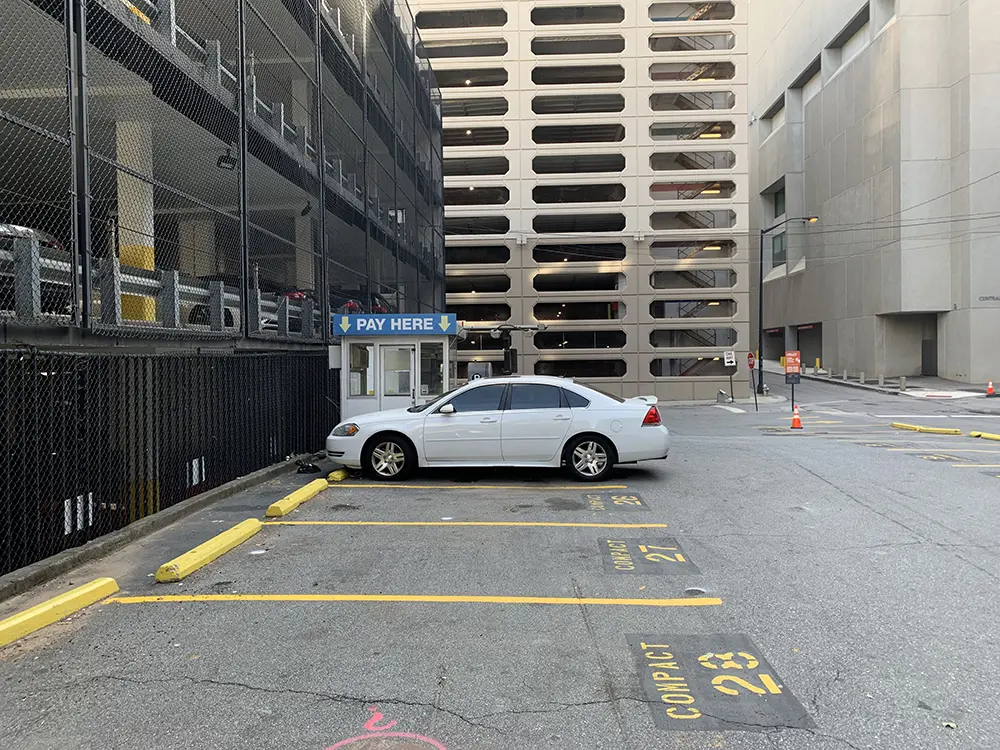
A mixed urban high-rise and industrial area parking garage and asphalt parking lot in Atlanta, GA where Apex assisted with soil and groundwater sampling during a voluntary remediation program.

Client:

Confidential real estate developer

Business Challenge:

  • Environmental due diligence was conducted, resulting in the discovery of SVOCs which were reported to the GAEPD.
  • Apex recommended the subject property be entered into the VRP.

Solution:

  • Apex prepared and submitted a report to GAEPD detailing results and providing a timeline for subsequent site assessment milestones.
  • We have submitted subsequent reports addressing required delineation of soil impacts.

Results:

  • We are applying institutional and environmental controls via a uniform covenant to restrict property usage and limit exposure to contaminants.
  • Apex conducts regular inspections enabling the client to restrict the accessibility of impacted materials and limit their potential liability for exposure.

Challenge

The subject property is a mixed urban high-rise and industrial area and is developed with one (1) ten‑level, 61,200 square-foot parking garage building and 15,150 square-foot asphalt-paved parking lot. Environmental due diligence, including soil and groundwater assessment, was conducted on the subject property which resulted in the discovery of certain semi-volatile organic chemicals (SVOCs) found to be present at concentrations more than reportable quantities as defined under the Georgia Hazardous Sites Response Act. Notification of these findings was reported to the Georgia Department of Natural Resources Environmental Protection Division (GAEPD). In cooperation with GAEPD, and discussions with the client, Apex recommended the subject property be entered into the Voluntary Remediation Program (VRP).

Solution

Apex assisted the client with the VRP application and submitted a Voluntary Investigation and Remediation Plan and Compliance Status Report to GAEPD detailing investigation results and providing a timeline for subsequent site assessment milestones. Following comments received from GAEPD, Apex submitted subsequent progress reports to GAEPD addressing required delineation of soil impacts.

This project is ongoing with projected completion in mid-2024. Apex has applied institutional and environmental controls via a uniform environmental covenant to restrict property usage and limit potential exposure to the identified contaminants. Apex will prepare a maintenance plan to institute sustained monitoring of the institutional and environmental controls and ensure they remain intact and continue to provide a barrier for potential exposure.

Results

Through Apex’s assistance navigating the project through the VRP and working with GAEPD toward obtaining regulatory closure with property usage restrictions, our client will have saved a significant amount of costs associated with potential remediation. Also, by having the property set under an environmental covenant and conducting regular inspections, the client can restrict the accessibility of impacted materials and limit their potential liability for exposure. The property can be transferred to future owners with these protections so long as the covenant restrictions are adhered to.

How Can We Help You Succeed?

Due Diligence for Nationwide Bank Expansion

Environmental Project

Due Diligence for Nationwide Bank Expansion

Multinational Financial Services Company Nationwide

Solution Overview

Client:

Multinational financial services company

Business Challenge:

  • Nationwide due diligence needs amid aggressive expansion
  • Support to ensure compliance and emergency response actions

Solution:

  • Provide emergency services and tailored reviews
  • Dedicate client manager who streamlines communication for efficient response

Results:

  • Comprehensive due diligence reports identified routine and emergency-related environmental challenges
  • Successful program management efforts minimized construction delays

Challenge

This global financial services company faces a profound challenge in harmonizing its growth trajectory with its unwavering commitment to environmental sensitivity. Operating a vast network of over 3,000 branches across the US, the firm aims to open hundreds of new branches, often with aggressive timelines.

Central to the client’s principles is a resolute commitment to environmental stewardship. Their keen awareness of the ecological impact of their operations and dedication to maintaining compliance with environmental regulations amplify the complexity of their challenge. The need for swift and decisive action on all environmental matters, whether at new or existing locations, underscores their emphasis on rapid response in safeguarding environmental integrity.

Recognizing these needs, the client requires a trusted partner for nationwide environmental due diligence support. As their footprint grows, meticulous Phase I and Phase II assessments are imperative.

Solution

Apex’s dedicated client manager works seamlessly with the client’s project management staff throughout the due diligence and construction phase of the projects to provide assistance with any environmental emergencies or unforeseen issues that may develop. This cohesive coordination optimizes the information flow, facilitates effective decision‑making, and enhances the overall efficiency of the due diligence/construction efforts.

Results

Apex’s comprehensive support for the client’s routine and emergency response-related environmental needs makes us an essential team member and partner. Our program management approach facilitates real‑time planning, response, and coordination while minimizing downtime for construction efforts which supports our clients’ goal for rapid branch openings nationally.

How Can We Help You Succeed?

Environmental Services for the Puget Sound Expansion

Environmental Project

Environmental Services for the Puget Sound Expansion

Confidential Real Estate Investment Trust (REIT) Puget Sound Region, WA

Solution Overview

Client:

Confidential REIT

Business Challenge:

  • Retail center expansion across the Puget Sound region necessitated extensive environmental site assessment and remediation services

Solution:

  • Performed comprehensive due diligence to assess risks and cleanup costs within timeframe of purchase agreements
  • Completed the range of land use, site development, and environmental permit and reviews for remediation at multiple sites
  • Provided MS4 stormwater compliance and maintenance services required for multiple facilities within a single municipality

Results:

  • Planning, design, and remedial action work allowed Sites to be returned to use as retail commercial centers

Challenge

In the mid-2000s, the REIT expanded its footprint in the Puget Sound area through site acquisitions for retail centers across the region requiring extensive due diligence, remediation planning and design, and remedial actions. Challenges included estimating environmental liabilities and cleanup costs during due diligence in order to establish reserves for site remediation, often prior to enrolling in state cleanup programs.

Solution

Apex provided environmental due diligence, including Phase I environmental site assessment (ESA); Phase II ESA planning (access negotiations); Phase II ESA sampling; and remedial cost estimates. Environmental services have included soil, groundwater, and vapor intrusion investigations.

Several of the vapor intrusion investigations were completed within interior spaces of operating businesses. Apex personnel worked with individual tenants to develop sampling schedules that conformed with their needs and implemented the work with little or no disruption to their activities. All work at these properties was completed following Washington Model Toxics Control Act (MTCA) rules and guidance; three of the sites were enrolled in the Voluntary Cleanup Program with the remainder to be completed as independent remedial actions.

Of the seven retail center sites requiring remediation, six of the properties are dry cleaner projects that required a combination of excavation, soil vapor extraction, and/or controls. One of the properties is a former Sears Auto Center for which a dual‑phase extraction system was designed and constructed.

Results

Due to Apex’s careful coordination with tenants and successful implementation of planning, design, and remedial action tasks, all seven sites have been returned to use as retail commercial centers while remediation activities continue.

How Can We Help You Succeed?

Environmental Services for Expanding C-Store Markets and Travel Centers

Environmental Project

Environmental Services for Expanding C-Store Markets and Travel Centers

Convenience Stores and Travel Centers Nationwide

Solution Overview

Client:

Convenience stores and travel centers

Business Challenge:

  • Rapid expansion of new C-store markets and travel centers
  • Due diligence assessment
  • Environmental compliance

Solution:

  • Asbestos containing material (ACM) inspection, sampling, abatement, and demolition
  • Underground storage tank (UST) removal, oversight, sampling, and closure reporting
  • Waste management/coordination
  • Regulatory research, guidance, decision consultation, and coordination
  • Safety audits and industrial hygiene support
  • Stormwater compliance inspections

Results:

  • Successfully assisted client’s market growth across the southeast

Challenge

In order to support its rapid expansion into new c-store markets and travel center locations in multiple states across the country, the client needed a responsive consulting partner who could provide national due diligence and environmental compliance support in both existing and new markets.

Solution

Apex provided services to address the diverse spectrum of environmental, water, compliance, and industrial hygiene needs of the client and included the following:

  • Due diligence (Phase I & II)
  • Natural resource surveys and regulatory guidance when environmental impacts are discovered at existing or during construction of new locations
  • ACM inspection, sampling, abatement, and demolition oversight of existing buildings prior to construction of new facilities
  • Redevelopment/construction support (construction dewatering, municipal permits, contaminated soil disposal, waste profiling)
  • UST compliance, spill response, removal oversight, and State required environmental sampling and closure reporting
  • Subsurface remediation
  • Air pollution emissions notifications
  • Waste management/coordination of existing petroleum impacts prior and during construction
  • Regulatory decision consultation/coordination for accessing state trust funds and release reporting
  • Safety audits and industrial hygiene support for existing and new processes and routine tasks at distribution centers
  • 24/7 spill response and cleanup coordination for both local and remote locations
  • Regulatory research and compliance guidance for new market entry
  • Stormwater compliance inspections for existing and new store openings

As the client expanded into new markets in 2022, Apex’s project management team readily mobilized additional qualified staff to the clients’ 60+ plus sites throughout the country, successfully meeting all urgent project needs to keep each site’s schedule on track. Our role extended beyond routine consultation, as we were entrusted with managing the most intricate and complex sites within their portfolio.

Results

In the dynamic landscape of 2023, collaborative efforts across multiple Apex offices empowered us to deliver a comprehensive range of essential services, directly contributing to our client’s success in their newest market expansion. Through strategic consultation, facilitation of access to state trust funds, and meticulous reporting, we provided invaluable support for regulatory compliance. Additionally, our assistance in safety, audit, and industrial hygiene optimized processes at distribution centers, ensuring operational efficiency. With 24/7 spill response coordination and thorough stormwater compliance inspections, we maintained environmental integrity across diverse locations. Our proactive regulatory guidance effectively mitigated risks and ensured compliance throughout the project lifecycle. These concerted efforts underscore our unwavering commitment to delivering tangible results and solidify our position as a trusted partner in our client’s growth journey.

How Can We Help You Succeed?

Evaluation and Recommendation for Mussel Restoration

Environmental Project

Evaluation and Recommendation for Mussel Restoration

Insurance Company for a Large Fertilizer Company Midwest US

Solution Overview

Client:

Insurance company for a large fertilizer company

Business Challenge:

  • A large fertilizer release resulted in a fish kill and numerous violations for the client.

Solution:

  • Apex maximized our technical expertise and successful working relationships with staff at state and federal hatcheries to gather information on the cost of mussel restoration which informed our evaluation and recommendation to our client.

Results:

  • The client funded a freshwater mussel restoration project which resolved violations and provided future populations of mussels.

Challenge

A fertilizer company’s insufficient containment system caused an accidental release of one million gallons of 32 percent nitrogen that had flowed into the storm sewer drains of a local creek and on to the Mississippi River. This caused a fish and freshwater mussel kill that resulted in numerous violations. The client hired Apex to review the incident and claim and provide our evaluation of potential solutions.

Solution

Apex reviewed all documents and correspondence for the claim and reviewed options. Two options were identified to address the fish kill. The lost value of the aquatic resources and the state agency’s efforts could be paid directly, or impacts could be addressed by paying for the fish killed and funding a mussel restoration project. Apex reviewed the data and compared it to the American Fisheries Society’s guidelines. The value of the fish and mussels was calculated. Apex gleaned valuable insight through leveraging solid working relationships with state and federal hatcheries that raise mussels and gathered information on the costs of mussel restoration. Apex advised the client on potential issues that could result in additional liability.

Results

The client elected to pay for the fish killed and fund a mussel restoration project which met the Department of Natural Resources’ requirements and the Administrative Consent Order. This saved the client money and provided a future population of giant floaters and plain pocketbook mussels.

How Can We Help You Succeed?

Former Roehl Disposal Facility Pilot Test Evaluation and Remediation

Environmental Project

Former Roehl Disposal Facility Pilot Test Evaluation and Remediation

City of Los Angeles Harbor Department (Port of Los Angeles) Wilmington, CA

Solution Overview

Apex workers performing a membrane interface probe investigation using a concrete core drill at the former Roehl Disposal Facility in Wilmington, California.

Client:

City of Los Angeles Harbor Department (Port of Los Angeles)

Business Challenge:

  • Chemicals of concern (COCs)—specifically, tetrachloroethene (PCE), lead, and arsenic—were found in the soil at the former Roehl Disposal Facility Site

Solution:

  • Evaluated a previous pilot test to identify the cause of a rise in chemical agents
  • Performed groundwater testing and recommended impacted soil and groundwater removal

Results:

  • Developed a remediation system to reduce the concentration of chlorinated volatile organic compounds (CVOCs)
  • Established a remedial strategy for long-term monitoring and sampling

Challenge

Spills and releases of chemicals from historical operations at the former Roehl Disposal Facility in Wilmington, CA migrated into the soil and the four stratigraphic groundwater zones beneath the property and neighboring parcels in its vicinity. The principal COCs identified to be present at the Site included CVOCs, primarily PCE, and metals (specifically, lead and arsenic) in shallow soil.

Solution

Apex evaluated a previous pilot test performed by another consultant involving in situ reactive zone (IRZ) injection of emulsified vegetable oil (EVO) and bacterial augmentation into the groundwater zone to reduce concentrations of PCE and other CVOCs. We identified the cause of previous injections to accommodate heterogeneity in subsurface permeability of the saturated zone which resulted in the apparent rise of post-injection vinyl chloride concentrations.

Apex performed additional groundwater testing that included specialized microbial analyses for dehalococcoides spp. bacteria. The results of the analyses indicated that although the EVO pilot test and subsequent groundwater monitoring data demonstrated the effectiveness of the EVO remedial approach, the limitations of the technology at the site (e.g., difficulty in introducing the EVO reagents into deeper sediments) and the potential deleterious unintended effects (including the generation of post‑treatment increases in vinyl chloride in areas within and outside of the treatment areas) present risks that argue against further use of EVO at the site.

Apex recommended revising the Remedial Action Workplan (RAW) to consider source removal as the primary remedy for impacted soil and groundwater at the site. The California Department of Toxic Substances Control (DTSC) provided its concurrence with this evaluation. To further define the lateral and vertical extent of high-VOC soil to be excavated, Apex conducted a membrane interface probe (MIP) investigation in conjunction with geophysical electrical conductivity measurements to provide definitive limits of impacted soil; these were in turn used in the preparation of a Corrective Measures Study (CMS) in accordance with the Consent Decree entered into by Roehl and the DTSC. As a pre-CMS investigation, Apex developed and implemented comprehensive groundwater and soil vapor sampling plans to delineate the extent of contamination offsite and fill in data gaps. Apex conducted groundwater and soil vapor investigations using Environmental Protection Agency (EPA) Triad principles to integrate data quality objectives, flexible work planning, direct push technology (DPT) with onsite analytical tools, and decision rules.

Results

Apex is currently working in concert with the City of Los Angeles and the DTSC to further evaluate the lateral limits of the groundwater and soil vapor CVOC plumes. This data is being used to develop risk-based models of potential exposure pathways and associated risks to receptors. To provide an immediate mitigation to the offsite receptors, Apex developed and installed an interim remediation system designed to reduce the concentration of CVOCs in soil vapors offsite and east of the property. Indoor air and subslab sampling methods will be used to evaluate the risk to offsite receptors. Concurrently, Apex is continuing to develop a remedial strategy which will entail source removal (to remove soils containing the highest CVOC concentrations), implementation of phytoremediation (to provide long‑term restoration of site soils and underlying shallow groundwater), and long-term monitoring and sampling to demonstrate groundwater dissolved CVOC plume stability and contaminant concentration reductions.

How Can We Help You Succeed?

Former Southwest Marine Facility Soil Removal Action

Environmental Project

Former Southwest Marine Facility Soil Removal Action

City of Los Angeles Harbor Department (Port of Los Angeles) Los Angeles, CA

Solution Overview

Client:

City of Los Angeles Harbor Department (Port of Los Angeles)

Business Challenge:

  • The former Southwest Marine facility at the Port of Los Angeles found soil impacted with polychlorinated biphenyls (PCBs), metals, and petroleum hydrocarbons

Solution:

  • Prepared a Remedial Action Plan and a Remedial Design and Implementation Plan (RDIP), including cleanup goals and a health risk assessment
  • Documented sampling locations in a geographic information system (GIS) database, providing a reference for residual contamination

Results:

  • Removed lead- and copper-contaminated soil and PCB-containing soils with concentrations of more than 250 parts per million (ppm)
  • Science-based approach minimized the amount of soil to be transported from the Site resulting in significant savings for the client

Challenge

Investigations at the former Southwest Marine facility at the Port of Los Angeles revealed that soil was impacted with PCBs, metals, and petroleum hydrocarbons.

Solution

Apex personnel prepared a Revised Soil and Groundwater Remedial Action Plan followed by a Final Revised RDIP. These documents, approved by the Department of Toxic Substances Control (DTSC) and the Environmental Protection Agency (EPA), included cleanup goals established from regulatory levels and a site-specific human health risk assessment. To prepare for a Port tenant who was planning to move to the Site and build a significant structure, Apex conducted oversight of the soil excavation, loading, manifest documentation, and transportation of soil by Harbor Department contractors.

Our team also documented sampling locations in a GIS database in coordination with the Harbor Department’s surveying crew. The resulting GIS-generated maps were used to memorialize the completion of the remedial efforts and provide a reference for the location of residual contamination which was not safely accessible during the implementation of the RDIP.

Results

Progress and confirmation soil sampling showed that PCB-containing soils with concentrations ranging to over 250 ppm and lead- and copper‑contaminated soil were removed during the course of the excavation and offsite disposal of over 10,000 tons of soil.

Apex established health-based cleanup goals for PCBs in soil to evaluate the effectiveness of the remedial efforts and implemented statistical methodologies, including the use of the EPA’s ProUCL approach, to demonstrate that the occasional data outlier (i.e., soil sample with residual PCB concentration above site cleanup goals) did not require the continuation of removal actions. This science-based approach minimized the amount of soil to be transported from the Site and resulted in savings of hundreds‑of‑thousands of dollars to the City of Los Angeles. At the end of the soil removal, Apex prepared a Removal Action Completion Report (RACR) containing 15 data tables, 28 figures, and 16 appendices for agency review. This voluminous report was approved without comments by both agencies.

Recently, Apex supported the Harbor Department by assisting in the development of post-environmental remediation documentation, including a Soil Management Plan and development of Land Use Controls. Apex was also tasked with developing, performing, and documenting the 5-year review process within the stated time parameters of the Site cleanup order.

How Can We Help You Succeed?

Berth 142 Creosote Remedial Approach and Implementation

Environmental Project

Berth 142 Creosote Remedial Approach and Implementation

City of Los Angeles, Harbor Department (Port of Los Angeles) Los Angeles, CA

Solution Overview

An Apex employee dressed in PPE holding up a soil sample on site during groundwater creosote sampling at the Port of Los Angeles Harbor Department.

Client:

City of Los Angeles, Harbor Department (Port of Los Angeles)

Business Challenge:

  • Soil and groundwater beneath the Port of Los Angeles Harbor Department were found to have been affected by creosote in vadose zone soils
  • Restore the site and prevent further environmental degradation or potential risk

Solution:

  • Presented a focused dense non-aqueous phase liquid (DNAPL) removal program to reduce future creosote migration into the harbor

Results:

  • Ongoing DNAPL removal actions continue to restore the environment
  • Focused removal actions allowed the City to avoid implementing a full-scale cleanup

Challenge

Soil and groundwater beneath the site of a wood treatment operation at the Port of Los Angeles Harbor Department were found to have been affected by creosote in vadose zone soils. To restore the site and prevent further environmental degradation or potential risk to human and environmental receptors, the Port required a an experienced remediation consultant to assist with delineation and remediation of the contaminant plume.

Solution

Apex presented a focused DNAPL removal program to the Port and then to Regional Water Quality Control Board (RWQCB); this approach involved a targeted surgical removal of deep DNAPL pockets near the harbor waters and a grout curtain to reduce future creosote migration into the harbor. DNAPL extraction included well drilling in areas identified by laser-induced cone penetration testing (CPT) soundings, and high‑vacuum mobile extraction. Using solid steel‑casings to a depth of 30 feet and 5-foot-diameter augers, deep creosote‑saturated soil zones were removed and hauled offsite; remediation was followed by installation of a grout curtain to reduce the permeability of these formations.

Results

Apex’s rapid planning, regulatory approval and swift and efficient implementation of remediation services allowed the Port to proceed with construction of the cargo handling facilities. Currently, Apex personnel conduct quarterly DNAPL removal and semi-annual groundwater sampling at the Port terminal during nightshift operations, requiring detailed schedule coordination with the Port’s tenant. Importantly, the removal of the most heavily contaminated soil and groundwater from the Site and the installation of the grout current resulted in the stabilization of the residual dissolved phase and DNAPL plumes. Ongoing DNAPL removal actions continue to restore the environment, while semi-annual groundwater monitoring and sampling demonstrates that the ecological sensitive receptors in the adjoining harbor waters are protected. The combination of focused removal actions, placement of the grout curtain, and ongoing removal actions allowed the City of Los Angeles to avoid implementing a full-scale cleanup cleanup which is estimated to cost hundreds-of-millions of dollars.

How Can We Help You Succeed?

Capabilities Inquiry