Gasoline Pipeline Release Emergency Response and Remediation

Environmental Project

Gasoline Pipeline Release Emergency Response and Remediation

Southeastern US-Based Mid-Stream Pipeline Operator Huntersville, NC

Solution Overview

Client:

Southeastern US-based mid-stream pipeline operator

Business Challenge:

  • Emergency response, assessment, and soil and groundwater remediation

Solution:

  • Provided project safety coordination, investigation and assessment, sensitive receptor survey, and remedial response actions

Results:

  • 1.75M-gallons of gasoline recovered over more than three years

Challenge

A petroleum pipeline owner/operator hired Apex Companies to provide required emergency response, assessment, and remediation services related to a subsurface pipeline release of gasoline (~2M-gallons).

Solution

Apex managed all aspects of safety, logistics, regulatory agency coordination and negotiation for the coordination of the releases in suburban and commercial settings with multiple stakeholders. Apex provided project safety coordination, initial response and investigation of impacted areas, a sensitive receptor survey, and design and implementation of initial and final remedial response actions in a complex fractured bedrock aquifer.

The project was complicated by both the size and the location of the release which involved a nature preserve, residential land, and county-owned property. Due to the size of the release, Apex mobilized staff from multiple offices to facilitate real-time, on-site design, procurement and construction of a vacuum-enhanced pneumatic recovery system concurrent with site assessment activities; as such, assessment locations were converted to operational remediation wells within a few days following boring installations.

Apex has designed and is deploying additional technologies, including air sparge and a soil vapor extraction system. Apex was/is responsible for equipment selection, procurement, and directing construction of multiple remedial and monitoring technologies to mitigate the hazardous environment, including carbon treatment, thermal oxidizers, and air monitoring equipment.

Results

A total of approximately 1.75M-gallons of gasoline have been recovered over the more than three years since the release was discovered. Apex has assisted the client with procurement of air and National Pollutant Discharge Elimination System (NPDES) discharge permits to facilitate installation of a water treatment system which will expedite remediation efforts and save the client (on average) $130K per month in petroleum contact water (PCW) transport and disposal costs. The system is scheduled for construction in 2023. In June 2023, Apex was recognized for our outstanding safety performance on this project, along with the entire body of work performed for this client.

How Can We Help You Succeed?

Remedial Investigation, Risk Assessment, and Removal Action

Environmental Project

Remedial Investigation, Risk Assessment, and Removal Action

Dominion Energy South Carolina, Inc. Columbia, SC

Solution Overview

Client:

Dominion Energy South Carolina, Inc.

Business Challenge:

  • Dense, non‑aqueous phase liquids (DNAPL)-impacted soil and debris at site managed under requirements of voluntary cleanup contract (VCC)

Solution:

  • Prepared remedial investigation (RI) report and performed risk assessment to develop remedial action objectives (RAOs) for removal of manufactured gas plant (MGP)‑impacted material

Results:

  • Following successful interim removal action (IRA), Apex Companies developed and implemented an effectiveness monitoring plan (EMP) to determine post‑remediation groundwater quality and subsequent occurrence of natural attenuation

Challenge

The client (formerly SCANA Services, Inc. which was acquired by Dominion Energy and became Dominion Energy South Carolina, Inc.) hired Apex to develop a RI and perform risk assessment for the site of a former MGP—located in a busy downtown—in which much of the subsurface was found to contain DNAPL‑impacted soil and debris. The Apex team worked under the guidelines of the responsible party VCC and the state agency (South Carolina Department of Health and Environmental Control) administratively managing the site.

Solution

Apex’s remedial investigation was used to develop RAOs for an IRA. Working closely with the client in a collaborative effort, Apex recommended removal of the MGP-impacted material as the preferred approach for the IRA.

Apex developed project specifications and provided procurement and onsite management support, oversight of the remediation contractor, and project documentation.

The multi-year removal action included:

  • Demolition of existing site structures

  • Removal of approximately 125K tons of impacted material

  • Excavations that ranged in depth from 2 to 29 feet below ground surface

  • Removal and replacement of approximately 270 linear feet of a 6-foot diameter concrete storm drain

  • Site restoration and placement of a stone surface cover

Results

Following the successful completion of the IRA, Apex developed and is currently implementing an EMP to determine post-remediation groundwater quality and the subsequent occurrence of natural attenuation. Our team has also assisted the owner with potential opportunities for divestiture of the property.

How Can We Help You Succeed?

Full Biological Study and Investigation

Environmental Project

Full Biological Study and Investigation

Confidential Hydrocarbon Exploration Company Northeast Marcellus Shale Region

Solution Overview

Client:

Confidential hydrocarbon exploration company

Business Challenge:

  • Sudden appearance of aquatic mortalities in close proximity to natural gas exploration activities

Solution:

  • Sampling and analysis of water body conditions to determine cause and effect

Results:

  • Determination of agricultural causes, not exploration activities, as the culprit, allowing client to resume work on site
  • Development of a mitigation plan to prevent future ecosystem disruptions

Challenge

A fish kill, where a large number of fish die in a relatively short period of time, had been reported in the area around the exploration activities in proximity to a natural gas well pad operated by the client. The landowner observed dozens of fish mortalities along the shoreline of a 25‑acre pond along with the presence of a heavy algae bloom.

A formal complaint was made to the Pennsylvania Department of Environmental Protection (PADEP). Rapid response was critical to determine the cause, and Apex staff was immediately engaged to conduct a full biological study of the pond and provide an estimated budget to remedy.

Solution

Apex engaged our fisheries and aquatic biologist as the subject matter expert and lead for the investigation.

After coordination with the state and landowner, a pre-dawn dissolved oxygen study was conducted with the use of a staff watercraft and a multi-meter to collect data across the surface water. Data was collected for dissolved oxygen, pH, temperature, and turbidity. Speciation of fish mortalities was required along with observation of benthic activity on the soft bottom of the pond.

Results

After field data was tabulated and processed for review, along with analytical data from water samples collected, an assessment of the surrounding areas, influent and effluent flows, and weather data for the preceding two weeks, it was determined that this event was not caused by natural gas-related activities, but instead was an oxygen deficiency caused by eutrophic conditions, and nutrient loading in the pond due to agricultural contributors above the pond basin. A summary report was provided to the client, which included a proposal to install an aeration system in the pond to help mitigate potential future imbalances in water quality.

How Can We Help You Succeed?

Phase II Environmental Site Assessments

Environmental Project

Phase II Environmental Site Assessments

Oregon Department of Environmental Quality (DEQ) Multiple Sites, Oregon

Solution Overview

Laundry worker loads linen into an automatic machine at a dry cleaners.

Client:

Oregon DEQ

Business Challenge:

  • Remediation of chlorinated solvents in multiple media across numerous sites
  • Access challenges due to typical multi-tenant site disposition

Solution:

  • Investigation and remediation with customized, innovative solutions for each site including Interim Remedial Measure (IRM) injection program
  • Coordination with DEQ and tenants to accelerate remediation and minimize disruption

Results:

  • Cost savings while maintaining tight budget controls
  • Projects consistently completed at or below the final task budget

Challenge

Apex has completed numerous site investigations for the Oregon DEQ at dry cleaner sites across the Portland Metro area and across the State (funded by the State’s Dry Cleaner Fund). Recent projects have included Tigard Cleaners (Tigard), Springdale Cleaners (Portland/Hillsdale), Ellis Dry Cleaners (Portland/Boise), Five Star Cleaners (Portland/PSU), Sunshine Cleaners (Newberg), Rosewood Cleaners (Lake Oswego), Alpine Cleaners (Gresham), Sparkle Cleaners (Salem), and others.

Our services included Phase II environmental site assessments (ESAs) involving investigations of soil, groundwater, soil vapor, and ambient air; work plan development; interim remedial action measures (including in-situ bioremediation, insitu chemical oxidation, and sub-slab vapor recovery); long-term media monitoring programs for groundwater and vapors; vapor recovery system design, operation, and maintenance; risk assessment; and risk-based closure.

Most of the project sites were operating businesses, requiring careful coordination with operators and design and implementation of work tasks to minimize disruptions.

Solution

Our staff’s cooperative development of the work scopes with the DEQ allowed for the use of innovative solutions to address issues at each site. These included an IRM injection program involving the targeted use of a zerovalent iron product in highconcentration source areas, and a broader injection of an emulsified vegetable oil substrate augmented with a bioaugmentation microbial culture.

Results

With two of the dry cleaner sites (Tigard and Springdale), Apex promoted and implemented sharing of resources which resulted in cost savings to DEQ by reducing the effort on subcontractor procurement, coordinating shared resources for design and field tasks, and increasing the efficiency of material purchases and shipping. Apex accomplished all of this while maintaining tight budget controls (each project has consistently been completed at or below the final task budget, with amendments only as needed when the scope of work is revised or site conditions change).

How Can We Help You Succeed?

North Ridge Estates Superfund Site Environmental Services

Environmental Project

North Ridge Estates Superfund Site Environmental Services

Oregon Department of Environmental Quality (DEQ) Klamath Falls, OR

Solution Overview

Site where Apex Companies provided environmental services at the North Ridge Estates Superfund in Klamath Fall, OR

Client:

Oregon DEQ

Business Challenge:

  • DEQ needed to support the US Environmental Protection Agency (EPA) with the remediation of a residential development contaminated with asbestos containing materials (ACMs) due to historical use as a Marine barracks facility

Solution:

  • Comprehensive services to support remedial action and redevelopment

Results:

  • DEQ met their obligations to EPA for the implementation of the remedial action
  • Work was completed at or below budget
  • Consistently met near-term and evolving deadlines
  • In 2019, the EPA awarded the site with the Howard Orlean Excellence in Site Reuse award

Challenge

Beginning in 2014 and through the completion of the memorial park construction in early 2020, Apex Companies provided the DEQ with technical support across a wide variety of services in support of DEQ’s work with the EPA at the North Ridge Estates Superfund site in Klamath Falls, Oregon. The site is a former Marine barracks facility that was historically redeveloped as a residential neighborhood without the proper removal and disposal of historical ACMs, which were inadvertently incorporated into the topsoil before developing the residential neighborhood. The EPA-led remedial action included excavation of two feet of ACM-impacted soil over a significant portion of the 125-acre property and replacement with clean soil obtained from a soil borrow area sourced near the Site.

Solution

Apex’s services under this contract included:

  • The siting of the soil source for backfill material;
  • Design and construction of an access road;
  • Threatened and endangered species assessment and habitat evaluation;
  • Development of a medical monitoring program for local community stakeholders (i.e., county and utility staff);
  • Hiring of local cultural monitors for oversight of EPA remediation excavations;
  • Completion of a Phase I environmental site assessment (ESA);
  • Asbestos survey and abatement;
  • Restoration of the soil source borrow pit;
  • Design and construction of a neighborhood park (associated with an existing Marine barracks memorial monument); and
  • Implementation of the operations and maintenance (O&M) plan for the facility

Our services also included the procurement and management of a variety of subcontracted services such as underground utility locating, cultural monitoring, well abandonment, laboratory services, road construction, asbestos abatement, landscape architecture and construction, and a munitions survey.

Results

All of this work was completed at or below the budgets for each task (and below the overall task order budget), although there were several instances where changes in conditions required Apex to quickly adapt, coordinate with DEQ as to the impacts of those changes and request additional budget authorization as needed to cover the additional associated costs (these changes were all completed in advance of any budget exceedance).

Apex staff consistently met near-term deadlines for which most of the work under this task order was subject. Subsequent to the completion of the work in 2019, the EPA awarded the project stakeholders with the Howard Orlean Excellence in Site Reuse award, for which DEQ acknowledged Apex for our contributions to the success of the project.

How Can We Help You Succeed?

Environmental Remediation Services at Former Aluminum Smelting Facility

Environmental Project

Environmental Remediation Services at Former Aluminum Smelting Facility

Port of Portland Troutdale, OR

Solution Overview

project-overview-aluminum-smelting-2

Client:

Port of Portland (Port)

Business Challenge:

  • Soil and groundwater contamination associated with fluoride-containing waste materials, petroleum hydrocarbons, polychlorinated biphenyls (PCBs), and cyanide
  • Site included on the US Environmental Protection Agency (EPA) Superfund registry
  • Redevelopment requiring coordination between owner, tenants, and agencies

Solution:

  • Operation and maintenance of a multi-aquifer groundwater treatment system
  • Preparation of parcel-specific development plans for each subdivided lot across the site
  • Maintaining all Superfund-related maintenance, monitoring, and reporting tasks

Results:

  • The Port and Oregon Department of Environmental Quality (DEQ) received the Howard Orlean Excellence in Site Reuse Award from the EPA

Challenge

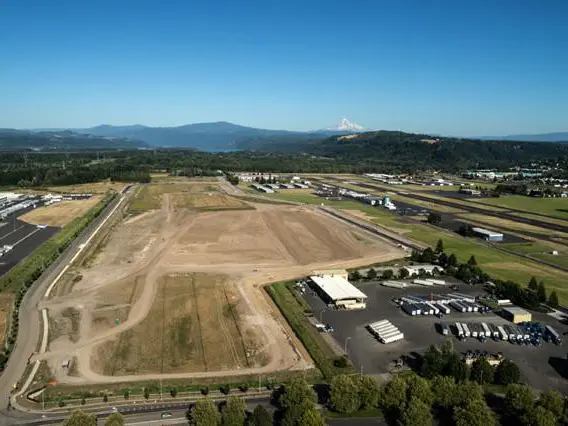
Apex Companies helped to facilitate the Port’s redevelopment of the Troutdale Reynolds Industrial Property (TRIP) facility in Troutdale, Oregon (formerly known as the Alcoa‑Reynolds Metals facility). The nearly 700-acre facility is a former World War II era aluminum smelter that is included on the Comprehensive Environmental Response, Compensation, and Liability Act (CERCLA) National Priorities List (Superfund List). The Port purchased the Facility from Alcoa in 2008 and assumed responsibility for the TRIP facility environmental controls through 2020. During this period, the Port developed the brownfield property as an industrial park (anchored by several large national shipping and warehouse companies).

Challenges included management of Superfund‑related development restrictions and their impact on development, operation and maintenance of a high‑volume groundwater extraction system, long‑term monitoring and reporting, and interfacing with the Port, regulatory agencies (local, state, and federal), and tenants.

Solution

From 2007 through 2020, Apex provided environmental consulting services to the Port of Portland to support remediation and redevelopment activities. Our responsibilities have included operation and maintenance of a multi-aquifer groundwater extraction system, long‑term groundwater monitoring and reporting across the 700-acre site, National Pollutant Discharge Elimination System (NPDES) monitoring and reporting, and regular groundwater system and cap inspections. Our team also provided oversight of construction inspections, modifications to the groundwater system infrastructure, and modifications to the monitoring well network. Apex has also completed a variety as‑needed support tasks such as stormwater sampling, site‑specific development and management plans, and materials testing.

Redevelopment of the facility has resulted in the annexing of the property into the City of Troutdale, installation of municipal services and physical improvements to the property, coordination with the city and county for the ownership and maintenance of municipal services and streets, the production of a parcel-specific development plan, and close coordination with tenants to support the construction of individual facilities (which includes large distribution facilities for FedEx Ground and Amazon). Apex has assisted the Port with each of these activities.

Results

We completed work at the site under the oversight of the Oregon DEQ and the EPA. By fostering positive working relationships with Port construction managers and their contractors through their regular interactions during planning, investigation, and implementation activities, this comprehensive project advanced according to schedule and deliverables were consistently completed at or below budget.

In 2018, the EPA recognized the Port and the DEQ for their work on the TRIP facility with the Howard Orlean Excellence in Site Reuse Award. EPA Region 10 established the Howard Orlean Excellence in Site Reuse Award in 2014. Region 10 presents this reuse award to recognize the collaborative partnerships and innovative approaches within the Region that protect public health, sustain healthy communities, and safeguard the environment. The Howard Orlean Excellence in Site Reuse Award may be awarded to developers, site owners, responsible parties, local governments, or other key stakeholders, or a group of these individuals or organizations who have exhibited dedication to safely and productively reusing contaminated areas while keeping them protective for both the public and the environment.

How Can We Help You Succeed?

PFAS Characterization at Fuel Storage and Distribution Facility

Environmental Project

PFAS Characterization at Fuel Storage and Distribution Facility

Confidential Fuel Storage and Distribution Facility Southern California

Solution Overview

Client:

Confidential client

Business Challenge:

  • Evaluate the presence of per- and polyfluoroalkyl substances (PFAS) in soil and groundwater

Solution:

  • Developed comprehensive work plans and sampling and analysis plans (SAPs)

Results:

  • Performed sampling and provided our client with valuable information about site soil and groundwater conditions

Challenge

The client hired Apex Companies to plan and implement investigations to evaluate the presence of per- and polyfluoroalkyl substances (PFAS) in soil and groundwater at several fuel storage and distribution facilities. These included a 50‑acre facility, 330-acre facility, and a 5-acre marine fuel terminal.

Solution

Apex developed comprehensive work plans and sampling and analysis plans (SAPs) based on the latest information and currently accepted practices related to PFAS assessment and evaluation. Because PFAS are so ubiquitous in the environment, cross contamination from common items such as field clothing, sampling equipment, and sample containers is a significant concern. The SAPs included quality assurance protocols for all aspects of the soil and groundwater media samples.

During these investigations, Apex utilized the expertise and services of an Environmental Laboratory Accreditation Program (ELAP)-accredited analytical laboratory to analyze approximately 40 different PFAS compounds.

Results

Our comprehensive investigation included the collection of drinking water samples from faucets and drinking fountains at the main and marine terminals, and targeted soil and groundwater sampling in the vicinity of former storage locations of aqueous film forming foam (AFFF), fire monitors, fuel tanks, and trucks, as well as systematic sampling to provide comprehensive site data.

Based on these results, our client was able to gain valuable information about the conditions of site soil and groundwater, allowing them to plan more effectively for potential future redevelopment and/or sale of the property.

How Can We Help You Succeed?

Massachusetts Contingency Plan (MCP), Site Assessment, and Remediation

Environmental Project

Massachusetts Contingency Plan (MCP), Site Assessment, and Remediation

Holyoke Gas and Electric Holyoke, MA

Solution Overview

Client:

Holyoke Gas and Electric (HG&E)

Business Challenge:

  • Widespread contamination from former manufactured gas plant (MGP) operations

Solution:

  • A thorough, creative, and cost-effective approach to remediate all continuing sources of contamination and prepare the site for beneficial reuse

Results:

  • Reuse of over 7K tons of treated soil
  • Cost savings of $1M over traditional remedial methods

Challenge

Tar wastes emanating from historical operations at a former MGP facility located on the Connecticut River in Holyoke, Massachusetts had impacted local soil and groundwater and were found within the breeding grounds of an endangered fish species in the adjacent river system. Both light and dense non‑aqueous phase tars (LNAPL and DNAPL) were also detected in several on‑ and off‑property wells.

Solution

Apex Companies provided Phase II site assessment/remediation services, including site engineering, remedial evaluation and design, remedy implementation, construction oversight, and perimeter air monitoring (PAM).

Apex completed comprehensive site assessment activities that defined the extent of the MGP impact in the terrestrial environment and developed a site remediation plan to reduce potential exposures and alleviate potential risk to human and environmental receptors in accordance with the MCP. Activities included a Phase II comprehensive environmental site assessment (ESA) and addendum that included a Method 3 risk characterization and a Stage I and II ecological risk assessment. Apex also completed a Phase III remedial action plan (RAP) involving the identification, evaluation, and selection of a comprehensive remedial action alternative. The remedial measures selected via the MCP RAP process were implemented via a series of Remedy Implementation Plans (RIPs). These response actions, combined with source area removal activities, have substantially reduced the potential risk posed by the site.

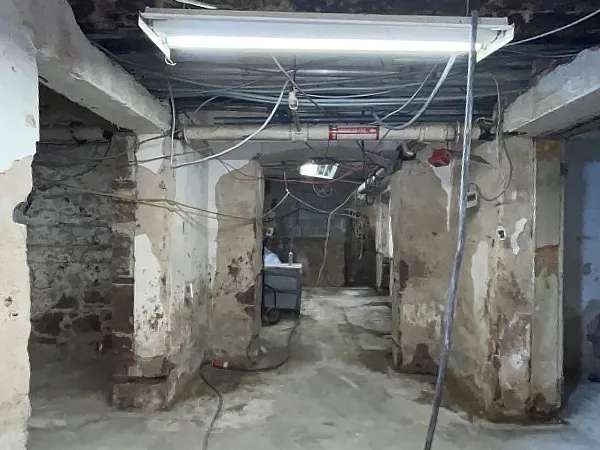
Each risk reduction/remediation measure implemented at the site is highlighted as follows:

UST Removal—One 10K and two 20K gallon tanks that had contained tar waste-containing fuel oils were removed/abandoned to eliminate potential continuing sources of contamination. This included cleaning the 100-year-old tank interiors and removing the 10K gallon tank for off‑site disposal. The 20K gallon tanks were abandoned in place and filled with a sand and Portland cement slurry to not impact the structural integrity of nearby buildings.

Aboveground Storage Tank (AST) Removal—Two number six fuel oil ASTs that had been left in place with over 20K gallons of remaining oil were also cleaned and removed from the site. This oil had been released by site vandals to the secondary containment units of both tanks. Apex removed the oil, cleaned the secondary containment and tank interiors, dismantled the tanks, and collected confirmatory soil samples.

Tar Well Abandonment—When MGP operations ceased in the early 1950s, three masonry underground tar wells with a combined capacity of over 100K gallons were filled with tar waste and left in place. The tar in each of these wells was heated and removed via pumping. Once removed, the recovered tar was then recycled and reused as low British thermal unit (BTU) fuel at a cement plant. The interior of the structures was then cleaned and backfilled with soil.

DNAPL Recovery—DNAPL coal tar is present ranging from 30 to 80 feet below grade with an accumulated thickness of over 12 feet. The tars include a mobile fraction which has migrated several thousand feet away, and a less mobile, more viscous tar present beneath the facility. Apex pilot tested a multi‑point DNAPL recovery system to address the mobile coal tars and a steam‑enhanced DNAPL recovery system to recover the viscous tars. Using super‑heated, super‑saturated steam, Apex designed a steam sparge system with the capacity to raise subsurface temperatures over 200°F and influence monitoring points up to 150 feet away. This proved so effective that, after approximately three years, the area of viscous tar was successfully remediated and the steam sparge system was deactivated. Recovery activities of the mobile tars continue at off‑property locations. Since the initiation of recovery operations in early 2007, approximately 15K gallons of tar have been recovered.

Soil Stabilization (Former Relief Holders)—Two former relief holders, a tar well, and a tar separator were demolished in place in the 1950s and 1960s by collapsing them into their coal tar-containing foundations and adding soil fill to grade. Due to the volume of material and magnitude of the impact, excavation, and off‑site disposal was cost prohibitive. Working with our partners and leveraging our regulatory knowledge, we excavated and stabilized the soils on site, returning them to the excavation area as backfill. We also obtained approval for the use of cleaned building as backfill under a beneficial reuse determination.

Bulkhead Wall Installation—Site response actions were initiated at this facility in the late 1980s with the appearance of an iridescent sheen on the surface of the Connecticut River. The sheen was determined to be composed of light-end MGP residuals that had migrated from the site to the bank. Components of the previously discussed DNAPL recovery system were installed immediately inland of the sheen breakout location to cut off any continuing source material, but a permanent solution was also needed. To address this, Apex designed and installed a bulkhead wall constructed of sheet piling driven to bedrock, after which the riverbank was restored.

No. 2 Overflow Raceway Sediment Cap—During the 100+ years of MGP operation, sediments in the waterway adjacent to the site—part of Holyoke’s floodwall system—had become impacted with coal tar and MGP residuals. Excavation and removal of the impacted material had the potential to undermine the city’s flood protection system, so Apex designed and installed a subaqueous cap system to encapsulate the impacted sediments. Prior to initiating construction, permits were obtained from the Massachusetts Department of Environmental Protection (DEP), US Army Corps of Engineers (USACE), and the Federal Energy Regulatory Commission.

PAM—To ensure that the site remediation activities did not adversely impact air quality, Apex prepared and implemented a perimeter air monitoring plan (PAMP) which included establishing pre‑remediation baseline odor and contaminant data. Real-time data was collected for total volatile organic compounds (VOCs) and respirable dust. time-weighted average (TWA) data was collected on a weekly basis for VOCs, semivolatile organic compounds (SVOCs), Resource Conservation and Recovery Act eight metals (RCRA 8), and total respirable dust.

These response actions, combined with source area removal activities, have substantially reduced the potential risk posed by the site.
Results

At the conclusion of the project, approximately 7,800 tons of soil had been stabilized and reused on site. By implementing this alternative strategy, our client was able to realize a cost savings of approximately $1M versus excavation and off‑site disposal.

How Can We Help You Succeed?

Ripley District Voluntary Cleanup Program and Urban Redevelopment

Environmental Project

Ripley District Voluntary Cleanup Program and Urban Redevelopment

Washington Property Company Silver Spring, MD

Solution Overview

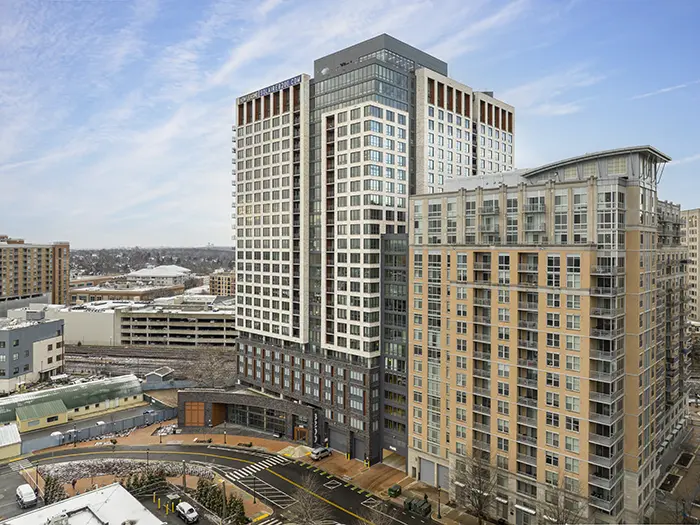
Solaire building, one of the Ripley District urban redevelopment project sites

Client:

Washington Property Company (WPC)

Business Challenge:

  • Historically industrial site with various environmental challenges

Solution:

  • Experienced, local project team with deep knowledge of regulations and Maryland’s Voluntary Cleanup Program (VCP)

Results:

  • Complete VCP regulatory closure
  • Thriving, attractive, and economically viable mixed use residential and retail community

Challenge

Located in downtown Silver Spring, Maryland, just a few blocks from the Silver Spring Metro Station, the Ripley District historically consisted of industrial and commercial uses such as auto-repair and body shops, warehouses, and dry-cleaning services. Its location, situated adjacent to future stations for Purple Line light rail, and to Georgia Avenue, a major thoroughfare connecting suburban Maryland to District of Columbia, made it a desirable location for redevelopment. Its close proximity to downtown Silver Spring dining and shopping, as well as public transit services to downtown Washington DC and the DC, Maryland, Virginia (DMV) metro area underscored the attraction for future residents. WPC realized this opportunity early on and acquired land with the intention to develop luxury apartment communities. WPC, being dedicated to creating a better future for people and the environment, saw this as an opportunity to reduce their carbon footprint while contributing to public projects and revitalizing the community. However, a primary challenge in redeveloping historical industrial urban areas is in the need for skilled environmental management. In this case, for the Ripley District, these challenges included hazardous building materials, documented and undocumented underground fuel storage tanks, and impacted soil and groundwater. Having previously worked with Apex Companies on a different historical gas station site in downtown Bethesda with a successful completion, WPC retained Apex to assist with the remediation of the site, which began with enrolling the properties in Maryland’s VCP.

Solution

Since the early 2000s, Apex has been involved in various private and public environmental and remediation projects as part of the Downtown Silver Spring Revitalization initiated by Montgomery County, Maryland. Already familiar with the Ripley District neighborhood, and having an excellent track record with Maryland VCP projects, Apex and WPC laid out a plan to assess and remediate the site in alignment with redevelopment and stakeholder needs. Services performed by Apex included Phase I and II environmental site assessments (ESAs), geotechnical engineering services, building hazardous material surveys, abatement prior to demolition of existing structures, underground storage tank (UST) removals, soil and groundwater management plans, as well as preparation of health and safety and impacted materials management plans. Each property was enrolled in the VCP which is administered by the Maryland Department of the Environment (MDE) Land and Materials Administration’s Land Restoration Program (LMA-LRP) to provide state oversight for the voluntary cleanup of properties contaminated with hazardous substances. The goal of VCP is to increase the number of remediated sites by streamlining the cleanup process and ensuring compliance with existing environmental regulations. All WPC properties included in this project were successfully completed with No Further Requirements Determination (NFRD) and/or Certificate of Completion (COC) issued by MDE.

Results

The WPC Ripley District sites addressed during this project included Solaire 8250 Georgia, Solaire 8200 Dixon, and Solaire 1150 Ripley. The addition of these buildings, along with Progress Place, has transformed the neighborhood into a vibrant community consisting of thousands of multifamily units and retail spaces, including the largest food hall in the area currently under construction in the Solaire 8200 Dixon building. This project also serves as a prime example of how successful the Maryland VCP can be. Other neighborhoods and developers can follow a similar path to achieve similar results. Through the VCP, developers can secure liability protection while being eligible to qualify for financial incentives for the redevelopment of a Brownfields Revitalization Incentive Program (BRIP) site. Localities can revitalize their communities by transforming underutilized land to create safe, vibrant neighborhoods while also increasing their tax revenue base. WPC-funded public projects at Ripley District also included the installation of street lighting, sculpture and murals, park benches and cast stone walls, sidewalks, bioretention ponds, roadways, sewer piping, bike racks, e-scooter and bikeshare parking, and urban parkland. Apex was proud to serve as part of the WPC team to help with the realization of their vision of transforming the Ripley District in Silver Spring, Maryland into a thriving neighborhood and community.

How Can We Help You Succeed?

HAZMAT Survey, Mold Remediation, and Asbestos Abatement

Environmental Project

HAZMAT Survey, Mold Remediation, and Asbestos Abatement

City of Manassas Manassas, VA

Solution Overview

Interior of Annaburg Manor in Manassas, Virginia where Apex performed a HAZMAT survey and provided asbestos abatement

Client:

City of Manassas

Business Challenge:

  • Quantify and document Hazardous Materials (HAZMAT) and mold at a property built in 1892

Solution:

  • Develop a HAZMAT sampling approach in alignment with Asbestos Hazard Emergency Response Act (AHERA) and other local and state requirements
  • Turnkey mold remediation and asbestos abatement

Results:

  • Comprehensive survey
  • Turnkey mold remediation
  • Asbestos abatement

Photo Credit: Historic Price William.

Challenge

Apex Companies was contracted by the City of Manassas, Virginia to perform a HAZMAT survey including asbestos‑containing materials (ACM) and lead-based paint (LBP) survey at the Annaburg Manor property constructed in 1892. The client also requested turnkey mold remediation and asbestos abatement services as part of an upcoming renovation project.

Solution

In October 2018, Apex mobilized a team of two AHERA‑accredited asbestos inspectors and Commonwealth of Virginia licensed lead inspectors to the property. During the assessment, Apex identified 37 different homogeneous areas (HAs) of materials that might potentially contain asbestos. From the suspect materials, 75 individual samples were collected and submitted for analysis. Laboratory revealed asbestos detected above one percent in nine of the HAs. Apex also collected photographic images of the suspect materials and noted the locations, approximate quantities, and physical condition. Sample locations were provided on facility figures.

The LBP survey was performed with the use of a handheld x-ray fluorescence (XRF) gun. Apex tested the paint from representative building materials within the property. Testing was performed at 124 locations including calibrations. Additionally, the property was inspected for other hazardous materials including but not limited to mercury, polychlorinated biphenyls, and chlorofluorocarbons.

In May 2021, Apex performed walkthroughs of the property with qualified abatement contractors and put together a bid package for mold remediation and asbestos abatement based on upcoming renovation plans. In June 2021, the turnkey asbestos abatement and mold remediation project was performed and completed over the course of three weeks. Apex provided a Commonwealth of Virginia licensed project monitor to perform project oversight and air monitoring during the project including daily project monitoring/inspections, asbestos final clearance air samples, and pre- and post‑remediation microbial air samples.

Results

Apex completed both the inspection and abatement phase of the project on time and under the allocated budget. The mold remediation project removed all mold impacted drywall, ceiling tile, and carpeting from the property. The asbestos abatement project successfully removed 3,300 square feet of floor tile/mastic, 400 linear feet of black mastic associated with fiberglass pipe insulation, and 200 square feet of sheet flooring from the building. Asbestos final clearance air samples met the Commonwealth of Virginia’s criteria for re-occupancy following an abatement activity. Post remediation microbial air samples revealed interior total mold spore concentrations to be less than the outside control samples with similar species and distribution, which meet general industry criteria. The mold remediation project was effective in reducing the total airborne microbial concentrations within the building.

How Can We Help You Succeed?

Capabilities Inquiry