




Linear Construction Environmental Oversight and Permitting Support

Infrastructure Project

Linear Construction Environmental Oversight and Permitting Support

Confidential Telecommunications Provider National

Solution Overview

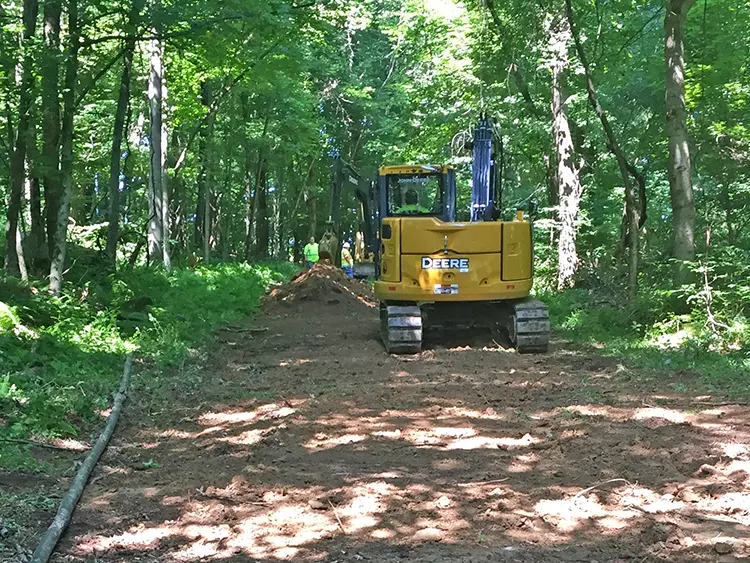
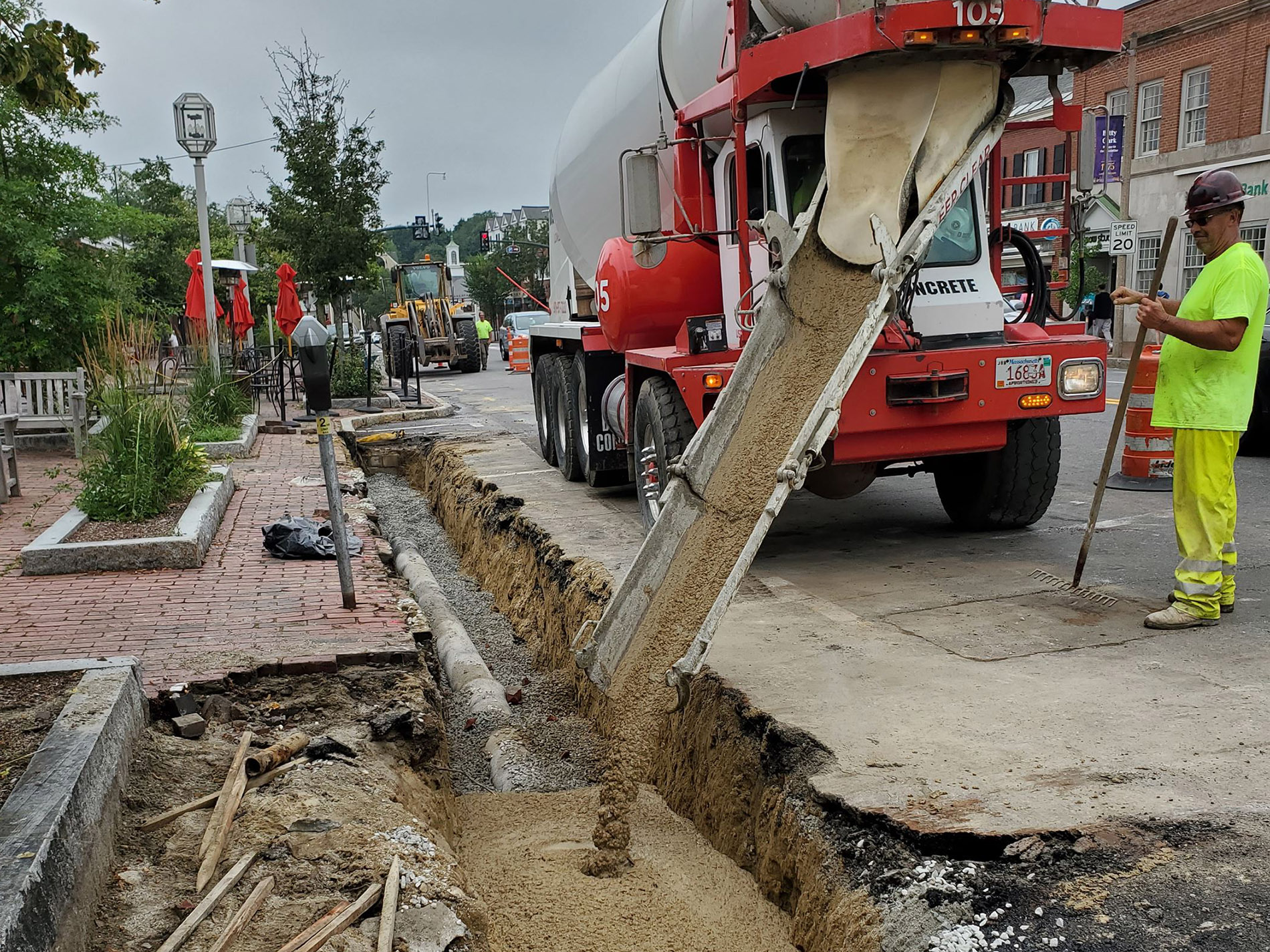
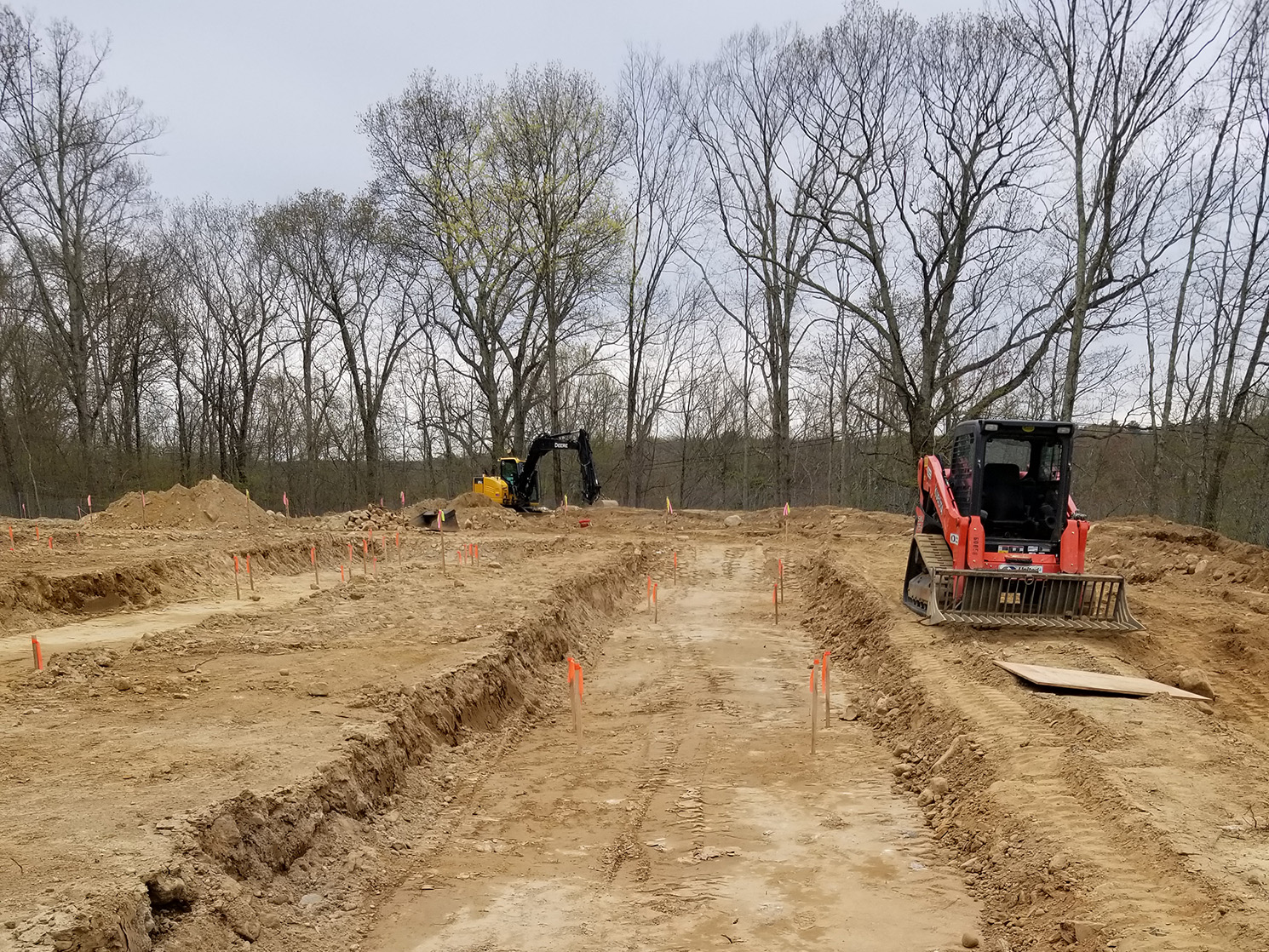
Trenching operations equipment in a wooded area at a linear construction project site

Client:

Confidential telecommunications provider

Business Challenge:

  • Complex challenges associated with linear development, including easements, jurisdictional/agency coordination, and stakeholder management

Solution:

  • An intelligent and strategic approach that saves significant time in obtaining approvals and permit authorizations across jurisdictions

Results:

  • A happy client who has partnered with Apex for these services for close to three decades

Challenge

Linear construction support involves land use constraints, easement issues, access challenges, and a myriad of cross jurisdictional natural resource and environmental permitting concerns. While typically associated with relatively benign land uses (buried conduit) and construction methods with short construction cycles locally, the projects typically impact multiple landowners, land types/uses, and political subdivisions across their route.

Linear projects essentially become multiple projects with a common scope and have unique local issues along the route. Apex Companies understands the complexity of dealing with multiple variables of the same issue, often obtaining the same authorization from multiple agencies, separated by nothing more than a river, but each having different requirements.

Solution

Apex team members have managed and provided senior oversight and permitting support for linear construction projects for this national telecommunications and digital content provider since the 1990s. Over the last three decades, Apex has supported and permitted several thousand miles of infrastructure to include fiber optics, and general telecommunications services.

To manage these challenges, Apex typically conducts an initial desktop route evaluation assessing likely constraints, sensitive areas, agency jurisdictions, and approval lead times. The goal of this exercise is to identify issues and areas of the routes that could significantly impact project cost and/or timing. Problem areas are then communicated to evaluate potential mitigation options and to assist in project planning. Desktop information is also used to generate an initial permits list and identify project environmental data needs. Once environmental data is obtained, and permit needs verified, Apex uses utilizes geographic information system (GIS) and AutoCAD technology to incorporate environmental constraints and requirements into the client project data set to show environmental data in the context of other project construction data all in one place.

This approach supports the goal of being a project partner, obtaining authorizations and communicating controls that support the project while maintaining regulatory compliance.

Projects involve regulatory programs and multiple agencies at the federal, state, and local levels.

Projects all contain variants of the following compliance issues:

  • Construction stormwater permitting
  • Wetlands
  • Stream crossings
  • Section 404/nationwide permitting
  • Section 10 navigable waters crossings
  • Levee crossings
  • Flooding and drainage control districts
  • Protected species clearances
  • Cultural resources/State Historic Preservation Office (SHPO)/National Historic Preservation Act (NHPA) Section 106
  • Sensitive area screening and avoidance planning
  • National Environmental Policy Act (NEPA)
  • Water resource issues
  • Directional boring frac plans
  • Water withdrawal permits (boring water)
  • Water discharge permits
  • Water source impacts mitigation and resolution

Results

These types of projects include significant coordination between various federal, state, and local regulatory agencies. At the local level in particular, linear projects often involve coordination of the same approval with multiple adjacent jurisdictions. Apex is familiar with needed coordination and looks early in the project to consolidate the requirements between agencies.

Whether it is providing Internet to a new residential subdivision, natural gas and cooling water to a power plant, siting options on a transmission route, or supporting the national backbone communications network, Apex understands the challenges in coordinating multiple approvals.

Apex strives to be a project partner, assisting the execution and management of the larger project through the identification of environmental constraints and risks, and communicating the likely project costs in both time and compliance dollars. Apex realizes there are often variables of how and where certain activities are conducted along a linear route. We strive to communicate and coordinate environmental challenges so project variables may be effectively managed, and risks mitigated.

This approach has resulted in the several decades of partnership with this client, and the expansion of our telecommunications services to other providers across the country.
How Can We Help You Succeed?

Water Resource Engineering and Renewable Energy Services

Infrastructure Project

Water Resource Engineering and Renewable Energy Services

Confidential Renewable Energy Providers Nationwide

Solution Overview

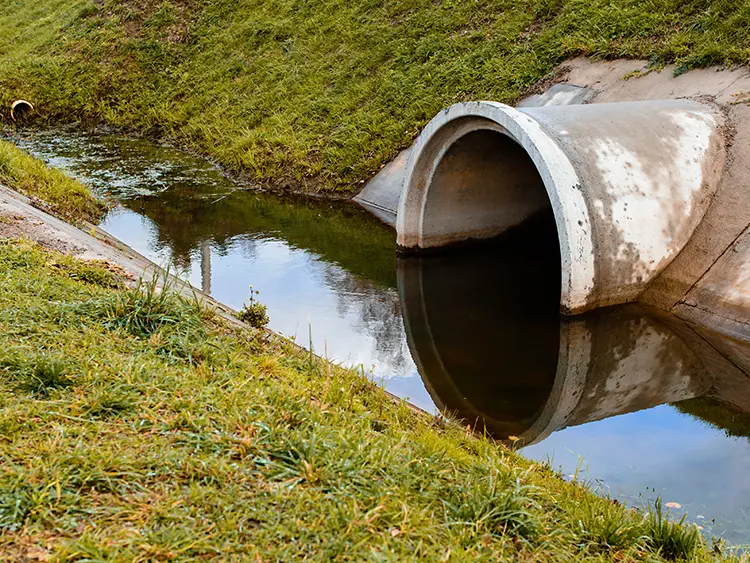
Concrete culvert pipe, part of stormwater infrastructure design, and one of the renewable energy services provided

Client:

Confidential renewable energy providers

Business Challenge:

  • Address complex stormwater design and permitting challenges unique to the renewable energy industry

Solution:

  • Timely, comprehensive, and effective site‑specific approach to design and permitting that addresses regulatory requirements and all project stakeholder needs

Results:

  • Effective stormwater management systems that withstand the test of time

Challenge

Stormwater regulations are both complex and vary widely based on region, industry, and even site-specific requirements. For renewable energy projects, additional permitting and design challenges apply.

Solution

Apex Companies team members provide renewable energy services including civil engineering and water resource design, prepare permit documents, and conduct inspections of stormwater infrastructure both during and post-construction for renewable energy projects nationwide.

Apex has developed grading erosion and sediment control plans for multiple wind farm projects qualifying for the production tax credit (PTC). The scope of work included substation grading, access and haul road design, and grading exterior to turbine foundations. Apex has also developed full-site stormwater pollution prevention plans (SWPPPs) and preliminary civil design to assist developers with level of effort cost estimates from engineering, procurement, and construction (EPC) contractors.

Apex also specializes in performing post-construction retrofit design to existing stormwater infrastructure to alleviate nuisance flooding or for facilities to maintain compliance with federal, state, and local permitting requirements.

Our team has extensive experience performing hydraulic modelling with the Environmental Protection Agency’s (EPA) Stormwater Management Model (SWMM), the US Army Corps of Engineers (USACE) Hydrologic Engineering Center River Analysis System (HEC-RAS), and Hydrologic Engineering Center Hydrologic Modeling System (HEC-HMS), and others. Additionally, Apex prepares flood plain analysis and permit documentation including Conditional Letter of Map Revision (CLOMR) or Letter of Map Revision (LOMR) to comply with Federal Emergency Management Agency (FEMA) requirements.

Apex works with property and project owners to minimize the impact of stormwater controls on daily operations at facilities.

Many projects are constrained by space or landowner concerns and preferences. Apex strives to meet the needs of all project stakeholders though communication and detailed analysis.

Results

Apex’s engineering team, including principals, engineers, and engineers-in-training (EITs), meet daily during the design phase of renewable energy projects. Our philosophy is to maintain transparency during active design projects, keep our team small and nimble, and ensure the entire project team understands, approves, and is part of the design. We maintain quick scrum/design status meetings where all project engineers discuss goals for the day, project findings, and potential issues.

Apex’s approach results in a design and permitting process that is both comprehensive and cost effective, allowing projects to move forward in a timely manner, without unnecessary delays or roadblocks.

How Can We Help You Succeed?

Turnkey Construction Services for Fuel Cell Site Contractor

Infrastructure Project

Turnkey Construction Services for Fuel Cell Site Contractor

Large General Contractor Colchester, CT

Solution Overview

Turnkey Construction Services for Fuel Cell Site Contractor

Client:

Large General Contractor

Business Challenge:

  • Civil site work for numerous concurrent projects across a large geographic area
  • Unique needs of each site

Solution:

  • Coordination and scheduling of tradespeople, inspectors, and other personnel
  • Project implementation

Results:

  • Seamless client experience
  • Centralized management
  • Consistency of pricing, scope, and quality

Challenge

Apex Companies' client, a large general contractor that builds fuel cells along the eastern seaboard, needed a reliable and versatile partner to handle civil site work for numerous concurrent projects across a large geographic area. These projects typically consist of installing fuel cell systems for utilities, colleges, hospitals, and industrial end users ranging in size from 1MW to 10MW. While some of the typical industrial project sites have been previously cleared, others are located in virgin, wooded areas that first need to be forested, grubbed, and graded prior to starting any site work.

While the units take natural gas and convert it to electricity, they generate very little emissions and only need water to start the process. The self-contained cabinets sit on reinforced concrete pads. The areas are sometimes enclosed in fencing; some have gravel surrounding the pads, some have asphalt or concrete surrounding the pads.

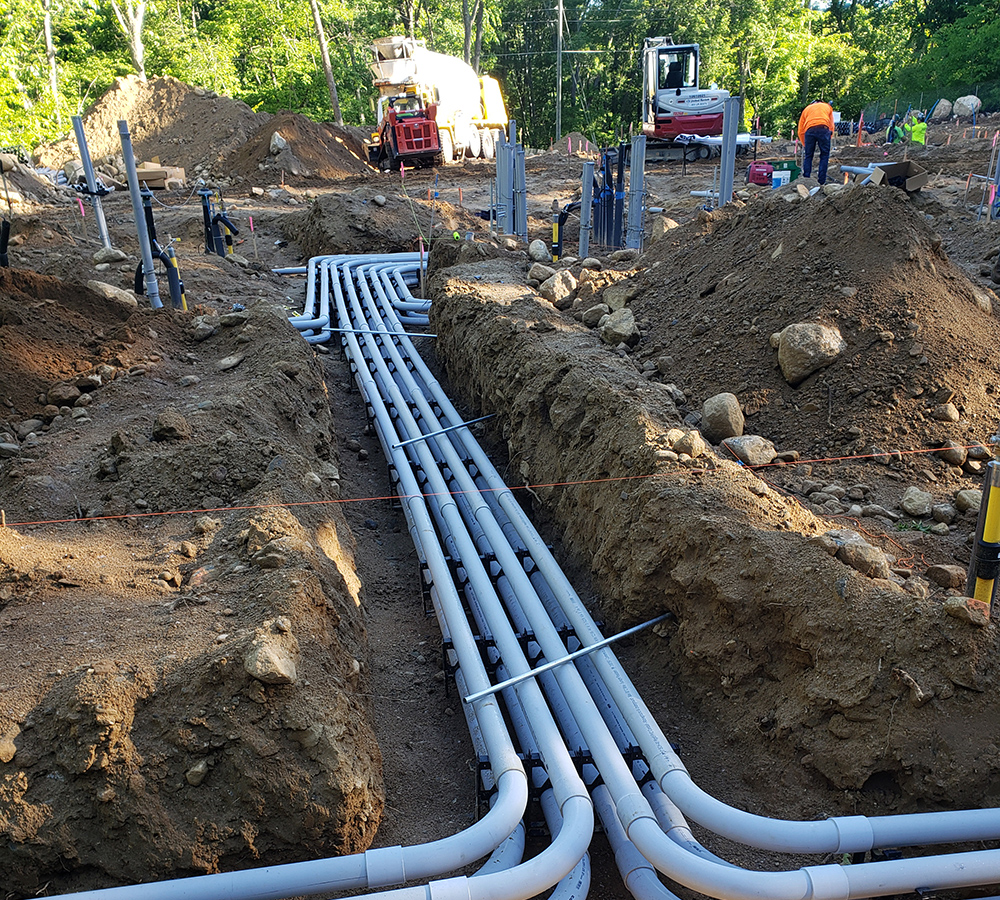
So, a typical site would require cutting trees or grubbing a site to get the pad area ready for construction; grading of the site; over excavation and prep for the new pads; trenching for electrical, gas, and water between the units; a new gas service, a new water service, and electrical connections to a nearby building or switch gear.

Lastly, the site finishes including stone gravel around pads, asphalt or concrete, in some cases roadways; landscaping including shrubbery and/or sod and possibly fencing and site lighting.

Solution

Apex outlines the unique needs of each site, and coordinates the scheduling of multiple subcontractors and other personnel, while often adjusting to changing weather conditions and reacting to new information gained during each stage of the project implementation, at numerous concurrent sites while maintaining a tight project schedule.

Results

Apex has leveraged its national footprint and shares personnel across the country to provide a seamless client experience. Management is centralized by one team to maintain consistency of pricing, scope, and quality. When challenges arise, the client has complimented Apex on our ability to pivot and resourcefully address new issues, and to identify economically reasonable solutions on the fly.

Turnkey Construction Services for Fuel Cell Site Contractor

How Can We Help You Succeed?

Oxbow Road Drainage Study and Design

Infrastructure Project

Oxbow Road Drainage Study and Design

Town of Lexington Lexington, MA

Solution Overview

Client:

Town of Lexington

Business Challenge:

  • Severe street and overland flooding
  • Drainage surcharging

Solution:

  • Field investigations
  • A detailed stormwater model
  • Outfall and stream restoration
  • Install a relief drain
  • Road drainage Improvements

Results:

  • Drainage system hydrologic/hydraulic model for detailed watershed and drainage analysis
  • Reduced occurrence of future flooding events

Challenge

Environmental Partners (EP), Apex Companies' Infrastructure Solutions platform, was engaged by the Town of Lexington in 2017 and continues to support the Oxbow Road neighborhood, which has a history of severe street and overland flooding during periodic rain events. The Oxbow Road neighborhood is a residential area in Lexington made up of Oxbow Road, Constitution Road, and Freemont Street, and is bordered by Route 128/95. This major highway system contributes substantial stormwater runoff into the municipal drainage system with a discharge to Kiln Brook.

Solution

Field investigations were carried out with the critical objective of providing data to develop a detailed stormwater model. The work delineated the boundary of the watershed that contributes stormwater to the Kiln Brook outfall and identified drainage connectivity and maintenance issues through CCTV inspection.

EP provided the following phased plan to the town to mitigate the impacts of flooding in the neighborhood.

Phase 1: Kiln Brook Outfall and Stream Restoration

Phase 1 allows for the later upstream enhancements of Phases 2 and 3 to increase hydraulic capacity of the existing drainage system and mitigate flooding of the roadways and residential areas.

The design of Phase 1 improvements included daylighting approximately 175 linear feet of existing drainage pipe, wetland restoration, and increasing the size of upstream drainage structures within Constitution Road. EP supported the town in procurement of the box culvert and custom drainage structures to allow for 2021 construction. Final completion will conclude in Spring 2022 with wetland plantings and site restoration.

Phase 2: Oxbow Road Relief Drain

The goal of Phase 2 is to mitigate the flooding associated with existing hydraulic limitations along the Oxbow Road/Constitution Road drainage network. The improvements include installation of a 36-inch relief drain to improve hydraulic capacity of the drainage system. And improvements to the inlet drainage piping and headwall. Permitting and final design is expected to be completed Winter 2022 with construction beginning Spring 2022.

Phase 3: Freemont Street and Constitution Road Drainage Improvements

Following completion of Phase 2, the drainage system will be evaluated using in-situ flow meters to assess the need for additional improvements along Freemont Street and Constitution Road upstream of the Phase 1 and Phase 2 drainage improvements.

Results

Using results from field investigations, EP updated the town’s drainage system GIS data and incorporated this information into a drainage system hydrologic/hydraulic model. Additionally, advanced GIS-based stormwater modeling software, PCSWMM, was used for this study to allow for a more detailed watershed and drainage analysis.

After the 2018 completion of the Oxbow Road Drainage Study, EP recommended a series of phased drainage improvements to address the problematic flooding conditions along Constitution Road, Oxbow Road, and Freemont Street. These improvements are currently being conducted, with positive results achieved from Phase 1 and a commitment to see the project through all phases.

How Can We Help You Succeed?

Groundwater Flow and Nitrogen Impact Study

Infrastructure Project

Groundwater Flow and Nitrogen Impact Study

Seekonk Water District Seekonk, MA

Solution Overview

Groundwater Flow and Nitrogen Impact Study

Client:

Seekonk Water District

Business Challenge:

  • Complex groundwater flow dynamics impacted by hydrologic and geologic factors
  • Understand how nitrates from fertilizer and other uses may have impacted the wellfield and subsequent water quality

Solution:

  • Hydrogeology and groundwater flow study
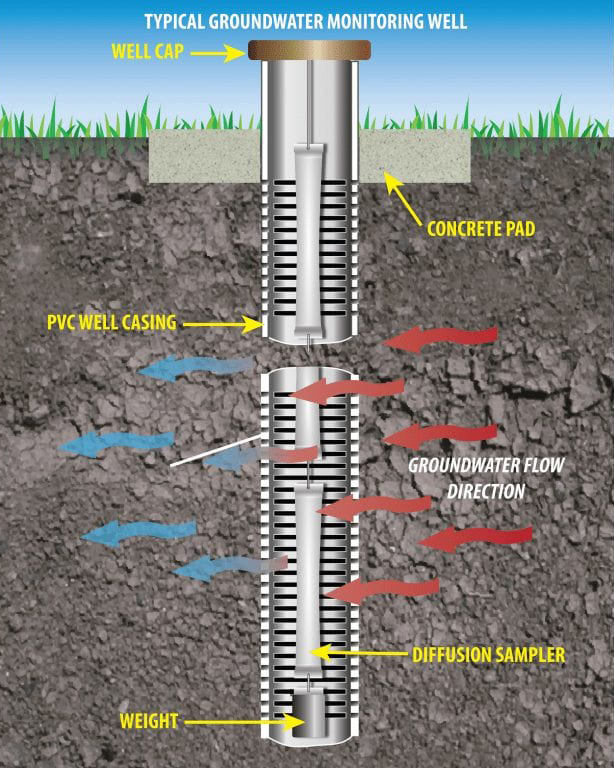
  • Field investigations (soil borings, monitoring wells, stream piezometers, water level monitoring, and aquifer testing)
  • Groundwater modeling analysis

Results:

  • A tool to manage the wellfield, well placement, withdrawal rates, Zone II delineation, and water quality

Challenge

The Newman Avenue Wellfield, a sole source aquifer in Seekonk, MA supplies 80 percent of the water for the Seekonk Water District to its residents. The Water District wanted to understand the dynamics of groundwater flow, as well as the impacts of nitrates from fertilizer and other uses to the Wellfield and resulting water quality.

Solution

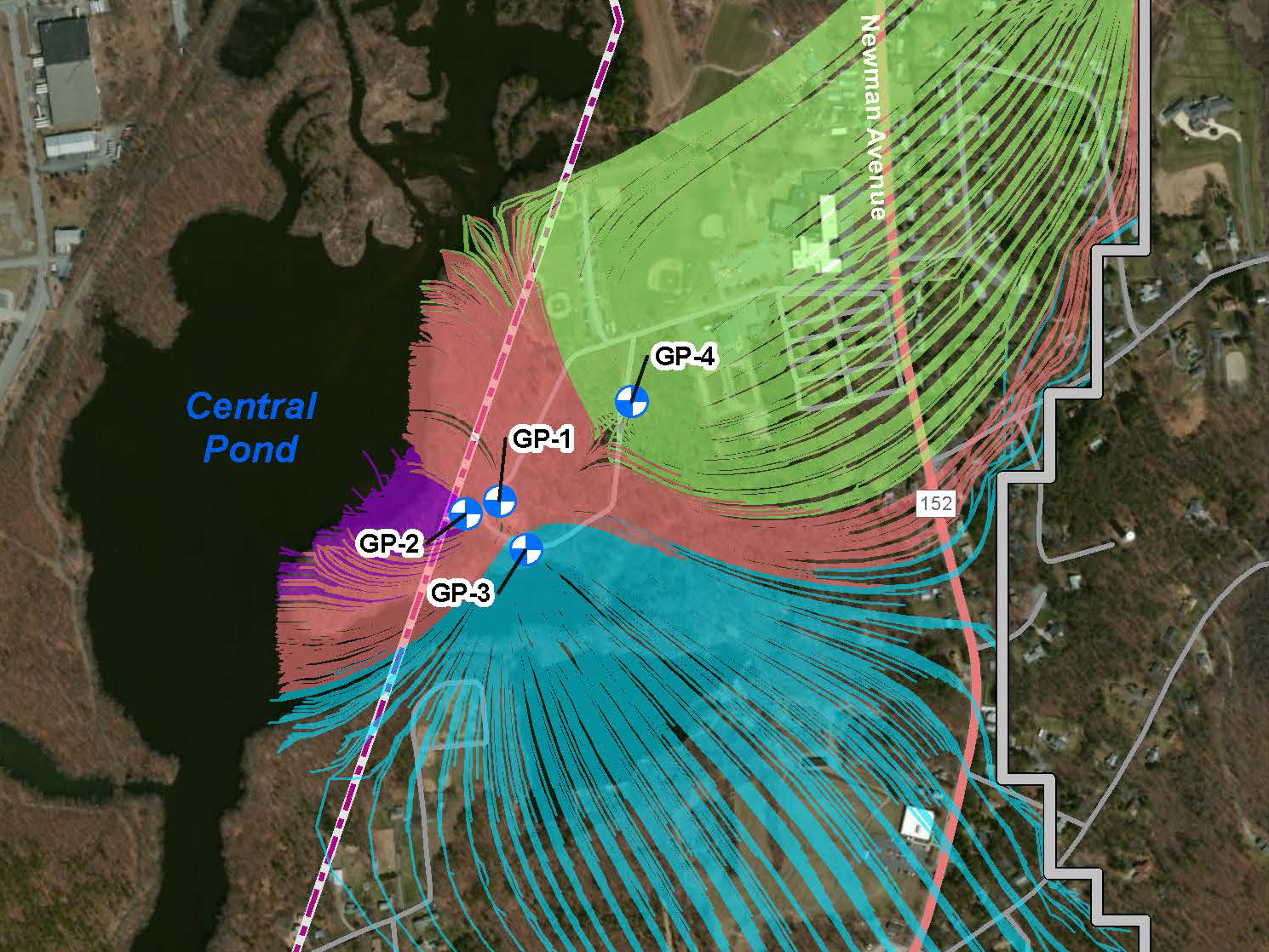
Environmental Partners (EP), Apex Companies' Infrastructure Solutions platform, conducted a hydrogeology and groundwater flow study of the Newman Avenue Wellfield for water supply protection, planning, and management purposes. The study included field investigations (soil borings, monitoring wells, stream piezometers, water level monitoring, and aquifer testing) to characterize the hydrogeologic properties of the overburden aquifer surrounding the Wellfield, and to support development of a groundwater flow model to examine impacts of current and potential future nitrate sources to groundwater within the capture zone of the Wellfield. McLane Environmental performed groundwater modeling analysis to simulate natural groundwater flow patterns and hydraulic effects of pumping in the vicinity of the wellfield and was used to calculate supply well capture zones to aid in delineating sources of water to the wells. The model was also used to examine current and potential future sources of nitrate to the water supply.

The influence of nearby surface water boundaries that controlled flow in the glacial outwash aquifer were carefully placed in the model. Model layers and lithology in the area of interest were included in the model based on the results of recently collected geologic boring data, and the model was calibrated to 2013 average groundwater elevation conditions.

Results

Capture zones delineating the area of groundwater flowing to each of the wells was computed by the model and compared with a map of existing and proposed commercial, recreational, and residential sources of nitrogen to the environment to identify key areas of potential concern. The wellfield groundwater flow model provided the town with a tool for managing the wellfield going forward including decisions regarding well placement and withdrawal rates, Zone II delineation, and management of water quality in the vicinity of the wellfield.

Groundwater Flow and Nitrogen Impact Study

How Can We Help You Succeed?

Water System Engineering and Consulting

Infrastructure Project

Water System Engineering and Consulting

Town of Hingham Hingham, MA

Solution Overview

Client:

Town of Hingham

Business Challenge:

  • Transition utilities from private to public ownership

Solution:

  • Massachusetts Department of Environmental Protection (MassDEP) regulatory approvals
  • Select a company to perform system operations
  • Develop system regulations
  • Provide capital cost forecasting

Results:

  • Partnership with the town and MassDEP
  • Regulatory reviews received rapid approvals

Challenge

Hingham’s water system serves all of Hingham, Hull, and parts of Cohasset, and is privately owned. After years of careful evaluation and debate, Hingham is taking the significant step of returning ownership of their water system to the community. Transitioning the system from private to public ownership is a multi-faceted effort that required a strategic and focused approach to manage the town’s complex issues. Hingham retained Environmental Partners (EP), Apex Companies' Infrastructure platform, to help guide them through this transition. EP was uniquely qualified, with experience assisting multiple communities with ownership transition for new utilities.

Solution

For this transition to be completed successfully and smoothly, several key issues were tackled, encompassing operations, regulations, financing, and a public information program. EP assisted the town in soliciting and selecting a company to perform the system operations, develop system regulations, provide capital cost forecasting, to complete the regulatory MassDEP approvals that were associated with this transition.

Results

This transition process required close coordination, ultimately a partnering-style relationship, with the town and with MassDEP to ensure that the transition went smoothly and without delays. The regulatory reviews, including submission of a DEP Business Plan, have successfully received rapid approvals.

How Can We Help You Succeed?

Center Streetscape Resident Engineering Services

Infrastructure Project

Center Streetscape Resident Engineering Services

Town of Lexington, MA

Solution Overview

Center Streetscape Resident Engineering Services

Client:

Town of Lexington

Business Challenge:

  • Critical area with numerous businesses
  • Communication with all stakeholders
  • Accessibility of the downtown during construction
  • Unavailable records of underground infrastructure

Solution:

  • Provide resident engineering and construction management
  • Daily communication with the town and contractor

Results:

  • Work has been received extremely well
  • Accessibility for all stakeholders
  • Revitalized historic streetscape and infrastructure

Challenge

This project was publicly bid in accordance with with Massachusetts State General Law, Chapter 30, Section 39M in the winter of 2021 and construction commenced in April. It is a civil infrastructure project that entails various aspects of civil construction and has been challenging in a number of different ways. For example, records of underground infrastructure in the historic downtown have proven to be unavailable, which has necessitated many on‑site decisions, in addition to constant and consistent communication with Town leadership and other concerned stakeholders.

Some of the major aspects include a full rebuild of the sidewalks including the use of Silva cells below the sidewalk infrastructure, installation of drainage, and the rebuilding of the roadway including the installation of new granite curbing as well as the adjustment of existing curbing. Additionally, this project will include electrical work to connect new lighting throughout the project, irrigation, numerous amenities including benches and bike racks. There is also significant landscaping that includes trees, shrubs, and flowers.

This is an extremely important area with numerous businesses throughout. Minimizing the impacts to these businesses is a critical component of this project and will entail intense communication with the abutters as well as strict adherence to construction time frame and staging. Accessibility for all is a key factor throughout construction to ensure that no users are limited in their use of the downtown due to the lack of proper accommodation.

Solution

Environmental Partners (EP), Apex Companies' Infrastructure Solutions platform, is providing resident engineering and construction management throughout the construction of the ‘Center Streetscape’ project for town of Lexington, MA. The town, along with its design engineer, has been working through the design and public process for close to ten years. EP is providing all services required for the construction observation, management, coordination, and administration of this exciting project.

EP is providing daily communication with the town and contractor regarding current work, upcoming schedule, concerns, anticipated change orders, quantities, materials, staging, and stakeholder communication. EP is also serving as the town’s primary point of contact for external communications with the community (residents and businesses) and is acting as a liaison between construction operations and the public.

Results

As of September of 2021, EP’s work has been received extremely well.

How Can We Help You Succeed?

Construction Project Management

Infrastructure Project

Construction Project Management

Danish Multinational Manufacturer of Mineral Wool Products Ranson, WV

Solution Overview

Client:

Danish multinational manufacturer of mineral wool products.

Business Challenge:

  • The client required site civil project management of a $300m new factory build in Ranson, WV.

Solution:

  • Apex oversaw performance against construction schedule, budget, and quality management plans, as well as developed a Stormwater Pollution Prevention Plan (SWPPP).

Results:

  • Apex completed the project based on a modified schedule, and the factory is scheduled for production in mid-2021.

Challenge

The client required site civil project management of a $300m new factory build in Ranson, WV. Our client is headquartered in Denmark and this is their first new construction facility in North America. Apex Companies was approached to provide an experienced civil project manager to oversee development of the new factory construction, installation of all equipment, and all subcontractor performance. During the course of this project, COVID-19 impacted the ability for any staff based in Denmark to travel to the site and required Apex to implement updated health and safety protocols to allow construction to continue while maintaining appropriate safety precautions. The client also required expertise to ensure compliance against state and local stormwater regulations during and post construction.

Solution

Apex provided a site civil project manager and added staff via a placement agency to implement and oversee performance against construction schedule, budget, and quality management plans. Apex also developed a Stormwater Pollution Prevention Plan (SWPPP) and conducted training, inspection, and discharge sampling to validate compliance.

Results

Apex completed the project based on a modified schedule allowing for delays due to COVID-19, and the factory is scheduled to be commissioned for production in mid-2021.

How Can We Help You Succeed?

Capabilities Inquiry