



Groundwater and Surface Water Sampling

Water Project

Groundwater and Surface Water Sampling

Confidential National Energy Production and Transmission Company Midwestern United States

Solution Overview

Client:

Confidential national energy production and transmission company

Business Challenge:

  • Groundwater sampling provided at client sites throughout the Midwest
  • Effective water resource management in accordance with compliance requirements

Solution:

  • Long-term partnership to ensure consistent and reliable support
  • Data management through ARTEMIS® to optimize sampling and maintenance activities

Results:

  • Compliance with reporting and regulatory requirements, resulting in no fines or penalties for the client

Challenge

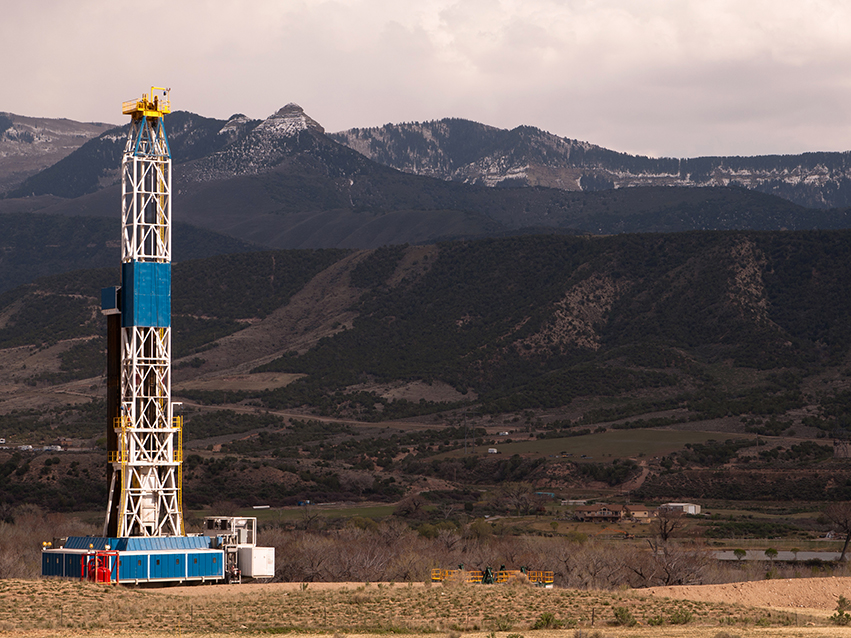
With millions of customers across the country, this energy company owns over 50K megawatts (MW) of generation in the US, and as such, has significant water use and environmental monitoring and support needs. Since 2002, Apex Companies' environmental technicians and scientists have provided groundwater sampling services at the client’s sites in the Midwest, including four generating stations and an ash landfill facility.

Solution

Apex’s responsibilities include coordination with corporate and site representatives, coordination with the analytical laboratory (including maintaining chain of custody records), performing field monitoring activities and routine well maintenance, and preparing sampling reports to document activities and field data. Field monitoring activities performed at these sites include groundwater level measurements, monitoring well purging, obtaining field measurements of indicator parameters, and collection of groundwater samples. Field filtering of samples is performed as required. Additional samples are collected in accordance with the quality assurance/quality control (QA/QC) requirements specific to each site.

Results

Our staff are experienced utilizing numerous groundwater purging and sample collection methods. Methods utilized at these sites vary based on site-specific conditions and requirements, and the availability of dedicated sampling equipment. These methods include low-flow purging techniques using dedicated or portable pumps, use of electric or pneumatic pumps, and volume-based purging and sampling using pumps or manual bailing techniques. Apex staff are also collecting surface water samples where required, including at six surface water locations at the ash landfill. Non-routine activities associated with this work includes redevelopment of wells to improve sample quality, use of small diameter equipment for collecting samples at compromised locations, and implementation of procedures for recovery of wells inundated by flood conditions. Apex also oversees maintenance activities on vegetation at the site to allow access to the majority of the monitoring locations.
How Can We Help You Succeed?

Tri-Town Regional Water Treatment Plant and PFAS Removal

Water Project

Tri-Town Regional Water Treatment Plant and PFAS Removal

Tri-Town Water District Board Braintree, Randolph, and Holbrook, MA

Solution Overview

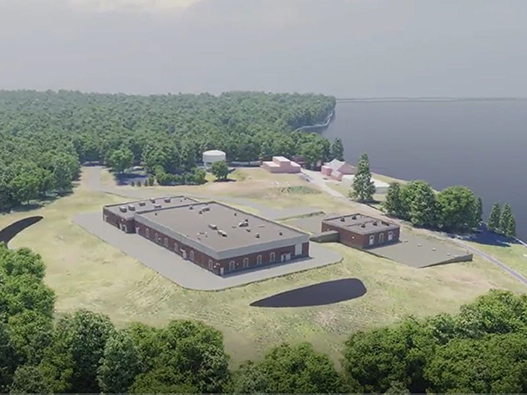
Tri-Town regional water treatment plant design

Client:

Tri-Town Water District Board

Business Challenge:

  • Design, construction, and permitting of a new water treatment plant (WTP)

Solution:

  • Construction of a new 12.5 million gallons per day (MGD) WTP and redundant sub‑aqueous transmission mains
  • Organic removal and treatment of six per- and polyfluoroalkyl substances (PFAS) over maximum contaminated level (MCL) of 20 parts per trillion (ppt)

Results:

  • Conceptual design, designer selection, design services oversight, funding program, permitting, construction oversight, and resident project representation and startup

Challenge

Tri-Town Water District Board manages the shared water supply of the Great Pond Reservoir bordering the towns of Randolph and Braintree. This Reservoir is the source of all the drinking water for the towns of Randolph, Holbrook, and Braintree. Braintree and the Joint Randolph/Holbrook Water Board own and operate individual WTPs on the Lower Reservoir portion of the Great Pond. While the Towns have proceeded with needed upgrades over the years, a new facility is required to replace each of the treatment plants. It was determined the most cost-effective approach was to construct one Tri-Town Regional Water Treatment Plant as opposed to two separate plants. Environmental Partners (EP), Apex Companies’ Infrastructure Solutions platform, was engaged to support the Tri-Town Water District Board through design and permitting of the new treatment plant. EP will continue as the owner’s project manager providing construction administration, resident project representation, and startup services.

Solution

The construction of the Tri-Town plant will include a new 12.5 MGD dissolved air flotation (DAF) regional water treatment plant and redundant sub-aqueous transmission mains. The plant is being designed for organic removal and to treat a set of six PFAS detected at concentrations over Massachusetts Department of Environmental Protection (MassDEP) MCL of 20 ppt. The state-of-the-art WTP is being designed for the injection of potassium permanganate followed by potassium hydroxide for pH adjustment prior to reaching the pre-oxidation tanks. As the water exits the pre-oxidation tanks, polyaluminum chloride and cationic polymer are added for coagulation. After being processed in a rapid mix tank, the water flows into two‑stage flocculation tanks, and then into four dissolved air flotation trains followed by five granular activated carbon (GAC) media filters for removal of particles and PFAS compounds.

Results

EP’s initial services included oversight of conceptual design, designer selection, design services, permitting, funding support, and technical review of the 30, 60, and 100 percent designs of the WTP. EP has been contracted to continue providing owner project manager services including technical oversight during construction of the project and full time resident project representation and startup services. Construction began November 2022 with the anticipated completion date of late 2025.

How Can We Help You Succeed?

PFAS Preparedness Study, Sampling Assistance, and Emergency Treatment

Water Project

PFAS Preparedness Study, Sampling Assistance, and Emergency Treatment

Town of Sharon Sharon, MA

Solution Overview

PFAS Preparedness Study, Sampling Assistance, and Emergency Treatment

Client:

Town of Sharon, MA

Business Challenge:

  • Per- and polyfluoroalkyl substance (PFAS) levels in excess of new Massachusetts drinking water maximum contaminant level (MCL) at the Town’s largest source
  • Source needs to be fully operational to meet heavy summer demands

Solution:

  • Complete a preparedness study ahead of initial sampling
  • Design, permit, and install an emergency ion exchange treatment system

Results:

  • The Town was able to procure, install, and startup a rental PFAS removal system in less than two months, allowing them to meet water demands during peak summer months while meeting the PFAS6 MCL requirements

Challenge

Environmental Partners (EP), Apex Companies’ Infrastructure Solutions platform, was engaged to assist the Town of Sharon (the Town) in addressing PFAS contamination found in excess of the new Massachusetts PFAS6 drinking water MCL at its largest water source, Well 4. Entering the Town’s high demand summer season in April 2021, Well 4 needed to be fully operational to meet peak demands, but the Town’s existing treatment system was not designed for PFAS removal.

Solution

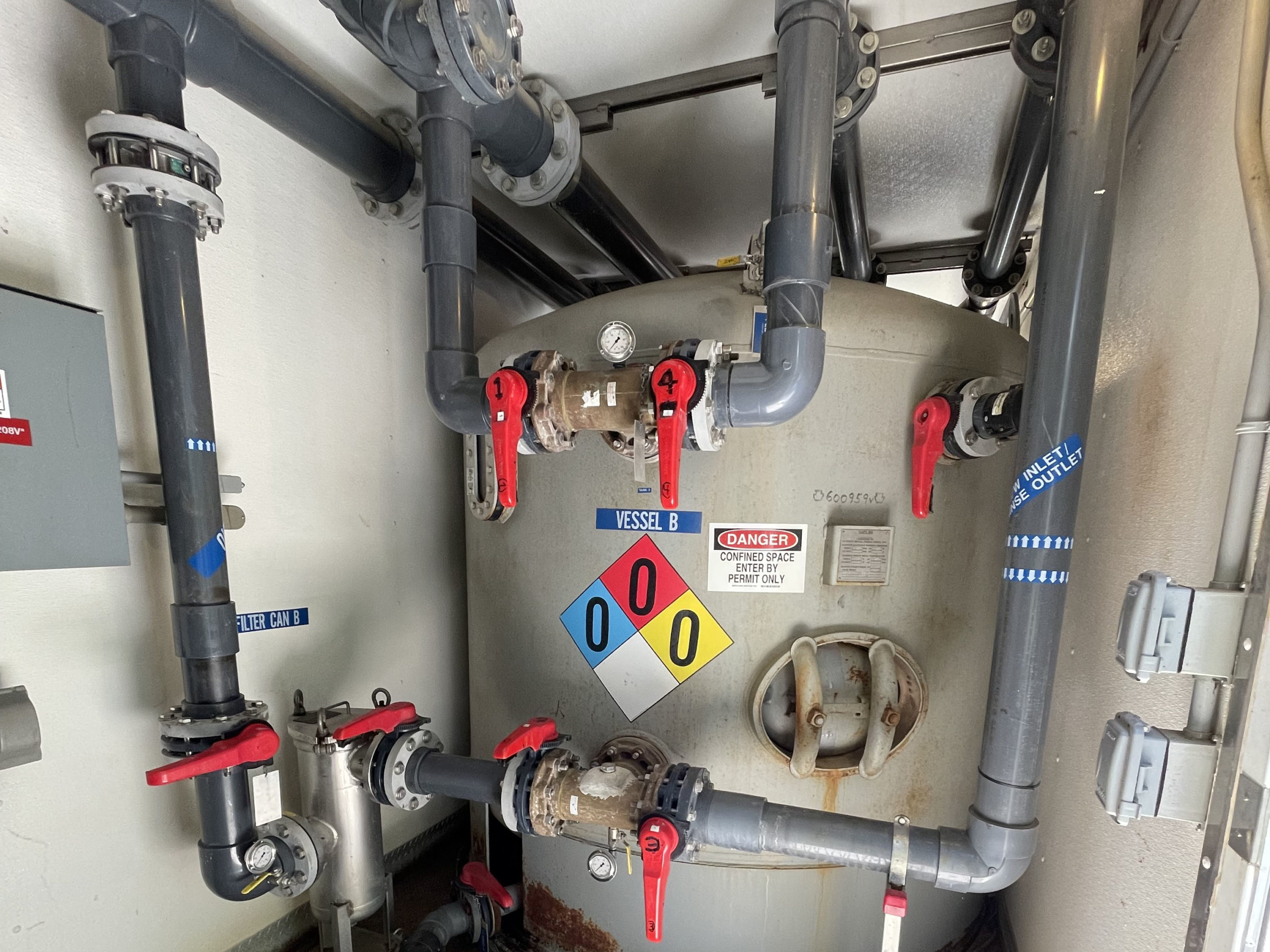
EP completed a preparedness study ahead of the initial PFAS sampling to compile design parameters, including flow capacity, raw water quality, and site constraints, for all the Town’s sources. When excess PFAS levels were detected at Well 4, EP had all the information they needed to identify possible treatment solutions. Requiring minimal site improvements, EP assisted with the design, permitting, emergency procurement, and installation and startup of an ion exchange rental trailer and filter skid. The rental equipment was onsite and operational by the end of June 2021. Due to the pressure rating of the rental equipment, flow through the system was limited to half of the well’s original capacity, requiring the installation of a booster pump downstream of the treatment trailer to restore flow to the full 700 gallons per minute (GPM).

Results

With the rental equipment in place as a temporary solution, EP is working with the Town to design a larger, permanent treatment facility at a centralized site. The permanent facility will provide treatment of multiple impacted sources for PFAS removal, as well as iron and manganese treatment. The Town was able to meet their water demand during peak summer months while providing a safe source of drinking water, and will continue to rely on the rental equipment while design, permitting, and construction of the permanent facility is underway.

How Can We Help You Succeed?

Construction Oversight and SWPPP Implementation

Water Project

Construction Oversight and SWPPP Implementation

Confidential Energy Clients Denver-Julesburg Basin, Colorado

Solution Overview

Construction Oversight and SWPPP Implementation

Client:

Confidential Energy Client

Business Challenge:

  • 237 oil and gas locations on 2,200 acres of active construction

Solution:

  • Stormwater compliance inspections
  • Notice of Intent (NOI) support
  • Stormwater Management Plan (SWMP)
  • Stormwater Pollution Prevention Plan (SWPPP) generation and management
  • Notice of Termination (NOT) support
  • Gap-check analysis
  • Grading erosion and sediment control (GESC) design

Results:

  • Managed budgets
  • Cost-effective compliance program
  • Permit closure and the release of reclamation surety

Challenge

Apex Companies currently coordinates and conducts stormwater compliance inspections, as well as erosion and sediment control measure (BMP) installation and maintenance for approximately 237 oil and gas locations on 2,200 cumulative acres of active construction at any given time throughout the Front Range of Colorado.

Solution

Between 2018 and 2021, Apex conducted 12,963 scheduled stormwater compliance inspections, 5,243 post-storm inspections in response to 0.25 inches of precipitation or more, and 816 post‑melt inspections following snowmelt which had the potential to result in surface erosion. Additionally, Apex inspected over 150 miles of linear pipeline construction and installation. We work with various clients, across all phases of exploration and production, including initial grading and excavation, drilling, well completions, production facility construction, compressor facility and gas plant construction, surface disturbance reduction, reclamation and post-construction monitoring, and facility decommissioning.

In addition to compliance inspections and action item management and maintenance, Apex supports local, state, and federal stormwater permitting efforts for energy-related projects, including NOI, SWMP, and SWPPP generation and management, and NOT upon completion of projects. Our team members serve as subject matter experts and are well versed in civil plan set review and consultation, as well as retrofits and engineering on a site-by-site basis. We provide a self‑developed compliance tracking database for clients, which assists in the generation of key performance indicators, asset tracking to closure, scheduling, program efficiencies, and metrics as a mapping tool for an internal and external (client-facing) interface that serves as a records repository for the life of a project and permit. This track-to-closure database allows for ease of records retrieval to support audit efforts at all levels of governing agency request.

Apex has faced challenges with acquisition of stormwater compliance programs previously managed by other consultants, such as missing assets, missing documentation, and failed identification of deficiencies. Through gap-check analysis and a ground-up approach, we have successfully integrated new client assets into our stormwater compliance program to provide audit‑proof records, reduced inspection costs, and release of local and state surety bonds.

Results

Between 2018 and 2021, Apex strategically managed budgets for our energy clients, to continue providing a cost‑effective compliance program, during an industry slump. This included building upon routing efficiencies, keenly monitoring construction status for inspection frequency changes, ensuring staff maintain established production rates, and providing action items geared towards streamlining costs for our clients. When active operations cease, our inspectors are tasked with promotion of final stabilization and reclamation of idle construction projects and driving locations towards permit closure and the release of reclamation surety.

How Can We Help You Succeed?

Non-Metallic Mineral Mining Support

Water Project

Non-Metallic Mineral Mining Support

National Mining Company Mid-Atlantic

Solution Overview

Client:

National mining company

Business Challenge:

In preparation for future cessation of mining at the site, the client needed support in reclamation and implementation activities.

Solution:

Apex assisted with this 10 plus year project from planning, permitting, engineering, and implementation.

Results:

  • Compensatory mitigation was negotiated and purchased
  • Onsite reforestation saved the client significant time and expense
  • Successful stream rerouting and low impact development (LID)
  • Positive feedback has been received on the results of the plans and monitoring

Challenge

In preparation for future cessation of mining at the site, the client needed support in reclamation and implementation activities, including the construction of a multi-billion gallon reservoir to support future water needs for the growing population of the Mid‑Atlantic coast.

Solution

Apex assisted a national mining company with a 10 plus year project from planning, permitting, engineering, and implementation. The following is a brief outline of some of the activities that occurred to plan for the future cessation of mining at the site, the creation of a multi‑billion gallon reservoir with infrastructure, and reclaiming the site to plan for the future water needs of the growing populations centers along the Mid‑Atlantic coast.

Planning

  • Fatal Flaw Analysis (Phase I environmental site assessment [ESA], threatened and endangered [T&E] species, historic resources, pre-application meetings, etc.)
  • Preliminary engineering plans and discussion with the locality, Virginia Division of Mineral Mining (DMM), and other regulatory agencies

Permitting

  • Delineation of Waters of the US (500+ acre properties)
  • Stream assessments and pereniality determination for onsite streams
  • Survey for small whorled pogonia (Isotria medeoloides)
  • Section 404/401 Permit for impacts to Waters of the US and compensation plan
  • Total maximum daily load (TMDL) water quality impact assessment and compensation plan
  • Nutrient evaluation and reduction plan
  • Environmental Quality Corridor (EQC) assessment and compensation plan

Engineering

  • Dual pit design to route certain flows around the pits while having the ability to eventually turn flows into the pit for the creation of a multi-stage reservoir with billions of gallons of storage
  • LID features (floating wetland treatment islands, bio‑retention swales, and large grasses lines swales for bypass and infiltration))
  • Nutrient analysis of EQC and other buffers to be removed versus areas to be restored
  • EQC and other buffers restoration plan and habitat evaluation procedures (HEP) modeling

Implementation

  • Specifications, bid requests, and review
  • Erosion and sedimentation (E&S) and 404/401 monitoring
  • Coordination of compensatory wetland and stream credit purchases
  • Rerouting a stream, and establishing LID features
  • Construction monitoring
  • Meetings with agencies

Results

  • Compensatory mitigation was negotiated and purchased, where the client saves a considerable amount due to pre-purchase agreements in a volatile credit market where credits are become more and more scarce
  • Buffer replanting was completed, and monitoring is showing success and growth of the trees, where the onsite reforestation saved the client significant time and expense
  • Rerouting a stream and LID features are installed and proving very successful
  • Agencies are providing positive feedback on the results of the plans and the monitoring

How Can We Help You Succeed?

Capabilities Inquiry