



Industry Alert: Top 3 Changes to 2020 Multi-Sector General Permit (MSGP) for Stormwater
The Multi-Sector General Permit (MSGP) is a National Pollutant Discharge Elimination System (NPDES) permit, which stems from the Clean Water Act (CWA). The 2015 MSGP for Stormwater Discharge with Industrial Activity expired on June 3rd, 2020 and the new 2020 MSGP does not go into effect until February 12, 2021. As a result of the landmark settlement between Waterkeeper Alliance and EPA (2d Cir. 15-02091) the new MSGP brings with it several major changes that permit holders must now follow.
Universal Benchmark Monitoring (Section 4)
The 2020 MSGP adds universal benchmark monitoring for all Sectors which include pH, Total Suspended Solids (TSS) and Chemical Oxygen Demand (COD). The runoff results will be compared to the EPA Benchmark levels which will then trigger stages, or “tiers” that are tied to corrective actions. The benchmark level for TSS is 100mg/L. As an example, if the annual average concentration of TSS exceeds this number, and/or if the pH levels in stormwater discharges from the facility are outside the specified range, a compliance trigger is activated, and the site must report these results and institute additional Best Management Practices (BMPs). This tiered approach is very similar to General Industrial Permits in Oregon, Washington, and California. This type of tracking will help the EPA more accurately evaluate the performance of BMPs. In summary, discharge sample collection and analysis results will trigger the need for additional source control and treatment control BMPs.
Requirement of Public Signage (Section 1.3.6)
The 2020 MSGP includes a requirement that MSGP operators must post a sign of permit coverage at a safe, publicly accessible location in close proximity to the facility. The sign must be readable from the public right-of-way, and also include information that informs the public on how to contact the EPA if stormwater discharges appear to contain pollutants. This type of compliance exposure potentially opens the door for public complaints and/or CWA lawsuits.
Non-Numeric Technology-Based Effluent Limits (Fact Sheet Part 2)
The 2020 MSGP contains effluent limits (wet weather discharge concentration limits) that correspond to Best Practicable Control Technology Currently Available (BPT), Best Available Technology Economically Achievable (BAT), and Best Conventional Pollutant Control Technology (BCT). The limits are expressed as specific pollution prevention requirements for minimizing the contaminant levels in the discharge. In addition, the 2020 MSGP revises the Sector-specific fact sheets to include information about control measures and stormwater pollution prevention by industry. Sector-specific stormwater control measures (SCMs) are found in Appendix Q, which the 2020 MSGP identifies as effective in controlling pollutants in stormwater. This means each facility Storm Water Pollution Prevention Plan (SWPPP) will be required to accurately identify all the pollutant-generating areas and confirm that each control measure (BMP) identified in the 2020 MSGP has been implemented. Each area and activity within the facility including: raw material storage areas, outdoor loading and unloading, heavy equipment storage areas, fabricating areas, and material handling areas, must be identified, and BMPs must be implemented for each area in accordance with the SCMs identified in the 2020 MSGP.

These changes are only a few of the proposed changes which potentially raise the facility compliance exposure. Once adopted, many sites subject to the 2020 MSGP will need to adjust their stormwater programs to maintain compliance. Expect some States’ General Industrial Permits to adopt similar compliance measures. This means: focus attention on pollutant source assessments, BMP implementation, and closely monitor runoff sample results.
Apex Is Your Partner in Stormwater Compliance
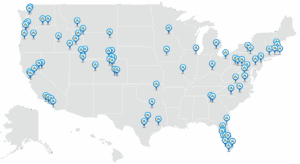
We can help you responsibly manage stormwater at all of your facilities, no matter where they are and how many you have. We’re doing that now in all 50 states, for small, local businesses as well as for the largest company in the world. Each year, we help over 2,000 private and public sector clients avoid regulatory penalties and capture capital investment savings. Contact us for more information.